
Technology

Is it Terminator: Judgment Day for insurance AI?
Editor’s View: Emma Ann Hughes argues the safest future for insurance as it intertwines with artificial intelligence is one where humans retain the ability to say “Hasta la vista, AI” and can still keep calm and carry on if they have to flick the kill…

Verisk’s Sawford argues explainable AI is insurance’s future
The next phase of artificial intelligence adoption in insurance will be defined by firms' ability to explain, validate and stand behind every AI-assisted decision, according to Chris Sawford, managing director of Verisk General Insurance UK & Ireland.

Data quality is one of the biggest barriers to success with AI
Helen Richardson, senior product manager for the UK and Ireland at LexisNexis Risk Solutions, points out before the artificial intelligence revolution can happen, insurance providers need to get their data house in order.
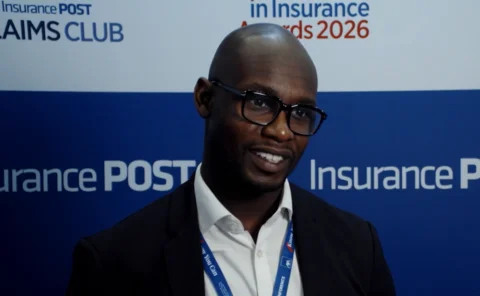
Time:To – KPMG’s Francis on getting the foundations right for AI
A single data repository is essential if insurers want to make the most of artificial intelligence, according to Levi Francis, director and general insurance actuarial pricing lead at KPMG.

Agentic AI has ability to ‘fundamentally change’ operations
Hamilton CEO Pina Albo said in “one of the most complex environments ever” in the insurance industry, agentic artificial intelligence is making the sector feel like it has more staff.
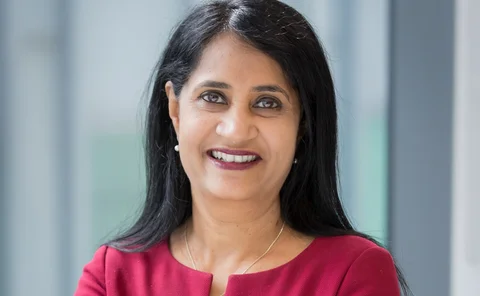
Zurich cuts commercial underwriting time by 78% with AI
Zurich UK’s underwriting workbench for commercial insurance has reduced processing times by 78% in less than two years.

Build or buy? How AI is reshaping insurers’ tech decisions
Generative artificial intelligence may make it easier to build software, but Nigel Gardner, business development executive of Charles Taylor InsureTech, says insurers still need specialist expertise to manage regulatory complexity and deliver lasting…
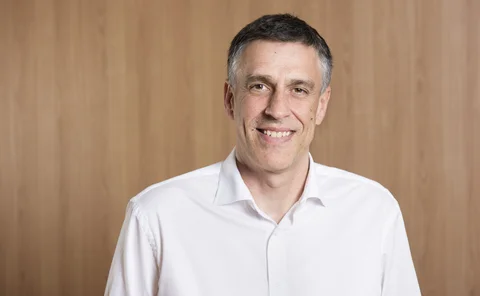
Ageas CEO argues winning with AI means knowing when not to use it
As artificial intelligence becomes embedded across insurance, the strategic choice is no longer whether to adopt it, but where to design in human judgement, according to Ant Middle, CEO of Ageas UK.
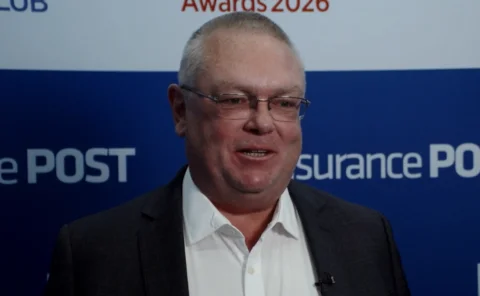
Time:To – LIIBA’s Croft on AI opportunities
Artificial intelligence allows insurers to move beyond once-a-year renewals to continual risk assessment and mitigation, according to Chris Croft, CEO of the London & International Insurance Brokers’ Association.
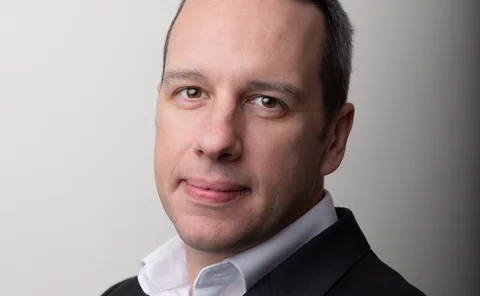
Ageas AI projects deliver 25-fold return on investment
Ageas chief data officer Chris Pearce has revealed the insurer’s 26 live artificial intelligence use cases are delivering an overall return of 20-to-25 times their cost.

Sedgwick’s Dryden on how AI can help vulnerable customers
Nicola Dryden, chief client officer of Sedgwick, shares how the most value from artificial intelligence comes when the technology is combined with the human touch, especially when it comes to complex claims.

Beyond screens: how AI will reshape insurance engagement
Nigel Phillips, CEO of CDL, explores how artificial intelligence will allow insurers to move beyond the screen, from generic marketing prompts to contextual service interventions.

AI regulation ripple effect: Are clients ready?
The artificial intelligence regulation debate is heading for insurance, says Claud Bilbao, Cowbell’s vice president and underwriting and distribution director for the UK and Australia, who advises brokers and SMEs to prepare now.

AI in broking: why the debate must move on
For insurance brokers, Andy Lewis, head of people proposition at Hedron Network, says the artificial intelligence debate has shifted from whether to adopt the technology to how to embed it safely, practically and strategically so it delivers lasting…

How AI is making insurance fraud harder to detect
Artificial intelligence is transforming organised insurance fraud, making it faster, cheaper and more sophisticated to commit, which DWF Law's Lauren France & Craig Budworth notes leaves insurers under growing pressure to strengthen detection and…
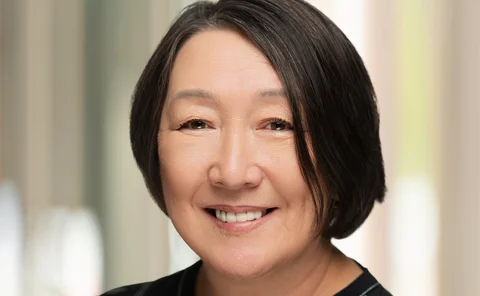
How AI can make FNOL faster and more customer-centric
Irene Davies-Foo, associate director and business expert lead at Woodgate & Clark, outlines how artificial intelligence can transform first notice of loss by accelerating triage, improving data capture and ensuring customers reach human support faster…
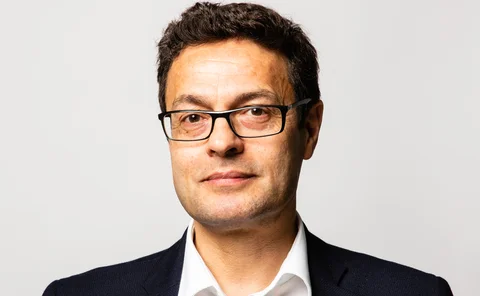
Q&A: Tim Hardcastle, Instanda
Tim Hardcastle, CEO and co-founder of Instanda, speaks to Insurance Post about the progress of his complex commercial lines product, promising underwriting agentic pilots, and the ‘black box’ limit in artificial intelligence.
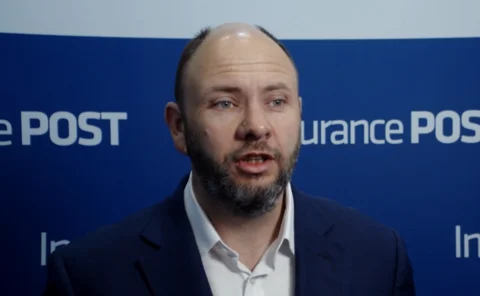
Time:To – LMA’s Levett on making the most of FCA rules
Implementing the Financial Conduct Authority’s simplification rules will make insurers’ lives easier, according to John Levett, head of regulatory affairs at Lloyd’s Market Association.
FCA pressed by Lords over regulating ChatGPT
The Financial Conduct Authority has been challenged by peers over whether artificial intelligence platforms such as ChatGPT should be brought within the regulator’s remit.
Aviva uses AI to identify £800m in underinsurance
Aviva has said it has used artificial intelligence to identify around £800m of underinsurance, as director of innovation Jason Chambers says clear controls are even more necessary as the technology becomes agentic.

To AI or not to AI is not the question in underwriting
Rory Yates, managing director for insurance at Synechron, examines how artificial intelligence is impacting underwriting.

Insurers must govern AI as aggressively as they adopt it
Hakob Astabatsyan, co-founder and CEO of Synthflow AI, explains how addressing artificial intelligence-driven fraud requires a tailored response that combines technology, process and culture.
McGill says AI’s ‘best’ productivity gains come second time around
Revisiting already artificial intelligence-powered processes has unlocked even greater efficiency gains than the original implementation, McGill CTO Simon Bradbury has said.

Mea CEO on how AI will free underwriters to focus on risk
Martin Henley, CEO of mea Platform, argues insurers will only see meaningful gains from AI if it automates routine tasks to give underwriters more time to apply expert judgement to risk selection and emerging exposures.