
Risk Management
Autonomous agentic AI: Are insurers ready for the next 30 years?
The technology foundation that powered insurance for the last 30 years is not the one that will power the next 30. With AI radically changing the industry, this content outlines the practical implications of this new era of insurance technology and five practical steps insurers can take today.




Insurance Post Census exposes employment progress and problems
While insurance may have more women reaching CEO and C-suite roles than ever before, Insurance Post’s 2026 Census exposes how progress is not being experienced evenly across the workforce.

Prince William’s Earthshot finalists target climate risk solutions
Prince William’s Earthshot Prize finalists have been using insurance to help vulnerable communities manage climate risks, offering lessons for UK insurers looking to close the protection gap.

Infographic: The UK’s rebuild cost gap is changing
In 2026, just 8% of UK properties are insured for the right amount. Based on data from 46,917 rebuild cost assessments completed, this infographic sheds light on the accuracy of building sums insured for residential and commercial properties, plus the…

Why connected data is the real AI advantage in insurance
What separates insurers who experiment with AI from those who scale it into real, measurable outcomes? This blog highlights some key takeaways from a recent discussion between Microsoft and AutoRek which explored the power of connected AI data within…

Why data readiness comes before AI in insurance
How can insurers continue to evolve without losing the visibility, accuracy, and confidence needed to operate at scale? This blog highlights why getting the foundations right, including data readiness, holds the key to making AI a genuine accelerator…

Bordereaux reconciliation explained: Standardising risk, premium and claims data
Insurance operations depend on a web of data exchanges between brokers, carriers, third-party administrators, reinsurers, and banks. This content explains how bordereaux sits at the centre of this web by tracking risks, premiums, and claims as they move…

Does your AI accelerate solutions or amplify the status quo?
For most insurers, the question has moved past whether to adopt AI. However, what’s still unresolved is whether the operating model underneath that AI can keep pace with change. This blog highlights why the quality of an insurer’s operating model…

Time:To – LIIBA’s Croft on AI opportunities
Artificial intelligence allows insurers to move beyond once-a-year renewals to continual risk assessment and mitigation, according to Chris Croft, CEO of the London & International Insurance Brokers’ Association.

Your P&C personalisation problem isn't a data problem
The personalisation gap in P&C insurance is real. But at its core it isn’t a data problem or a technology problem - it’s an operating system problem. This blog highlights how insurers can enhance personalisation by addressing the decision gap between…

Beyond static operating models that keep insurers stuck
For many insurance leaders, what worked in past cycles won’t carry you forward today. This blog highlights why operating models need to change and how insurers can achieve sharper pricing and faster claims.

The three invisible pricing decisions that erode your insurance portfolio
Most underperforming portfolios are not the result of bad pricing strategy. They are the result of good pricing strategy that lost precision between the committee room and the bind. This blog highlights three invisible pricing decisions that erode…

Salmonella outbreak highlights recall preparedness gaps
Insurance experts have warned that insurers should be confident in their readiness in the event a food contamination event takes place, amid the UK’s salmonella outbreak.
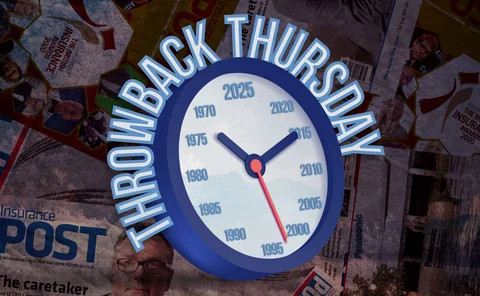
Throwback Thursday: Female first; Co-op’s woe
Insurance Post’s Throwback Thursday steps back in time to August 1971 to remind you what was going on this week in insurance history when a woman first entered a male building safety arena and Co-operative Insurance’s results were disappointing.

Voice channels: the hidden front door to fraud
Voice channels, synthetic identities and AI technology are creating new fault lines in insurers’ existing fraud controls. With criminals targeting telephony channels as a gateway to wider fraud activity, this content sheds light on how insurers can use…

Why the MGA sector is built for what’s next
Trade Voice: Michael Keating, CEO, Managing General Agents’ Association, discusses key themes from this year’s MGAA conference and argues the MGA sector is helping to lead, not react, to change across the market.

Telephony data is your secret weapon against fraud
Fraudsters today switch easily between web, mobile apps and contact centres, exploiting whichever route offers the least resistance to make bogus policy applications and claims. This content highlights how real-time phone-number intelligence gives…

Diary of an Insurance PR: Omnia’s Nathalie Crystal
Nathalie Crystal, associate director at Omnia Partners, proves the importance of preparation by packing in plenty of meetings with journalists at this year's British Insurance Brokers’ Association conference.

Monitoring telephony channels: are insurers missing the signals?
Fraudsters leave clues long before a claim is made. This content examines whether insurers are making the most of the intelligence hidden in customer calls.
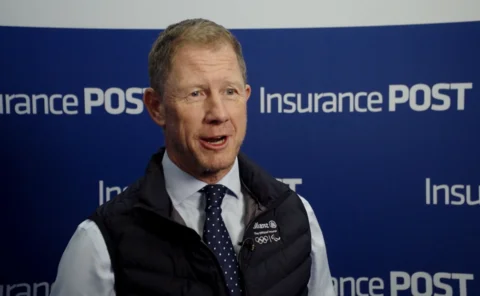
Time:To – Ex-Allianz Hobbs on why brokers should be risk advisers
How brokers can use technology to become intimate with customers before they meet them face-to-face is revealed by Nick Hobbs, former chief distribution officer of Allianz, in the latest Insurance Post Time:To video.
Pinpointing your P&C personalisation problem
Nearly 60% of P&C customers want personalised products but most insurers are running personalisation initiatives on top of operating models that were never built for them. This whitepaper highlights why personalisation is not a data problem but an…