
Classic car insurance keeps vintage motors running
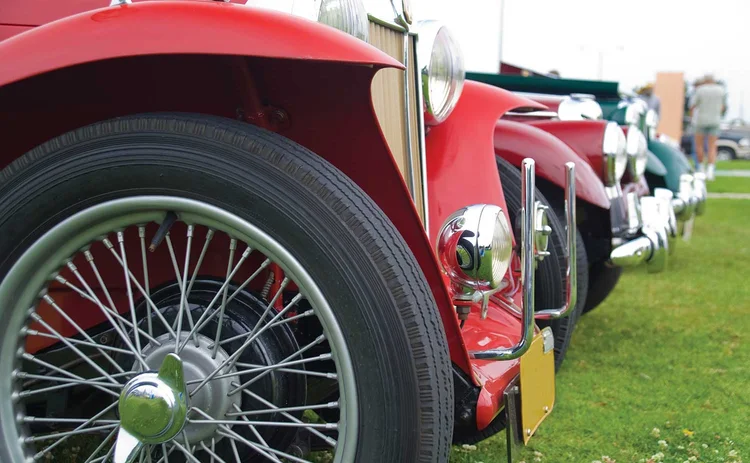
classic cars

How the classic car insurance market has geared up for changing vehicle values, supply chain challenges, shifting owner expectations, plus environmental pressures is examined by Emma Ann Hughes.

Once largely the preserve of older enthusiasts devoted to restoring their vintage vehicles to showroom condition, classic car ownership is now shifting gears.

Ciaran Astin, managing director of motor MGA KGM, says his company’s data shows the proportion of younger classic car policyholders (aged less than 30 years old) has been growing since 2022, increasing by 70% to 1.4% of all classic car policies in 2025.

He attributes this trend, at least in part, to family influence, noting his is perhaps unsurprising as parents and grandparents pass their passion down to younger generations.

Joe Ashworth, third-party administrator motor director at Sedgwick, agrees the classic car community is undergoing a generational shift.

The average age of classic car owners dropped from 58 to 54 between 2020 and 2024, he notes. Millennials and Gen Z now account for more than 30% of policy quotes, with Gen Z alone increasing to 10% from just a few per cent back in 2018.

In response to this shift, insurers are evolving their offerings to better align with the interests and needs of a younger clientele.

James Ellis, motor underwriting lead for Aviva Private Clients, notes younger drivers – such as Gen Z – are showing growing interest in modern classics such as post-2000 hot hatches like the Ford Focus ST, Honda Civic Type R, and Renault Clio Sport.

“These new classic cars can be more affordable, fun to drive, and offer a nostalgic and accessible entry point into the market,” he says.

“While modern classics are gaining traction among younger drivers, we aren’t seeing the same level of enthusiasm towards pre-war vehicles.

“This could – in part – be explained by a shift in the way we view classic cars, with previous generations generally having a stronger emotional attachment,” he adds.

It’s why insurers and brokers need to adapt with initiatives like classic car driving courses and accompanied driving, which can help to drive interest in preserving these vehicles for future generations to come.
James Ellis, Aviva Private Clients

“It’s why insurers and brokers need to adapt with initiatives like classic car driving courses and accompanied driving, which can help to drive interest in preserving these vehicles for future generations to come.”

Mark Roper, managing director of insurer Hagerty UK, shares his business has embraced the generational shift by hosting events that cater for cars often owned by younger drivers, such as RADwood and the Festival of the Unexceptional.

“What we are seeing at Hagerty is an increase in what are called modern classics – cars from the 1980s and 1990s that younger collectors aspired to own when they were young,” he says.

“They are more usable, more reliable, more powerful and have a wide price range. Typically, insurance companies have been slow in offering a product for this type of vehicle, especially when it is likely to be owned by a younger driver.”

Sedgwick’s Ashworth says the widening array of owners, types and use of vehicles means there is a growing need for specialist broker support.

“The market leaders are those that continue to adapt to the particular needs of this very niche sector,” he adds.

“Many are affiliated with specific car clubs and get involved in organising events, encouraging a sense of community among classic car owners.”

Classic conversions

This close involvement with collectors gives insurers and brokers valuable insight into evolving modification trends, that allows them to tailor policies to account for both the benefits and challenges these changes to classic cars can bring.

In the past, modifications were mainly focused on maintaining authenticity and period correctness.

Today, Tom Lawrie-Fussey, senior director of product management at LexisNexis, shares many owners are embracing restomods, enhancing vintage vehicles with modern technology or converting the car to running on electric power.

These modifications are pushing the boundaries of classic car classification, Lawrie-Fussey observes.

“These vehicles may appear classic on the outside, but under the surface they often feature significant modern upgrades – from suspension and braking systems to full electric drivetrains,” says Lawrie-Fussey.

“This creates real challenges for insurance providers. How do you accurately classify and rate something that doesn’t fit neatly into either a classic or a modern vehicle category? It also raises questions about how modifications are made and by whom.”

Many enhancements are carried out by experienced enthusiasts rather than commercial garages, which makes it more difficult to assess the quality of the work or the level of risk involved, Lawrie-Fussey notes.

“The line between a sympathetic upgrade and a major modification isn’t always clear, and the insurance industry is still developing consistent ways to handle that,” he says.

“Some insurance product providers and brokers are beginning to adapt, but overall, the market is still catching up with the way people interact with and use classic vehicles today.”

These modifications challenge traditional underwriting practices, observes Sedgwick’s Ashworth.

“For example, the Jaguar E-Type can be EV adapted, combining state-of-the-art engineering with a classic chassis, and so creating a specialist and unique vehicle,” he says.

“These modifications can challenge traditional underwriting practices and require a more in-depth understanding.”

KGM’s Astin flags a key concern is that classic EV conversions tend to incur increased accident repair costs, particularly when battery damage or high-tech systems are involved.

New risks, old challenges

The classic car world is also contending with fresh physical threats, from rising theft rates and climate change to changing usage patterns that expose vehicles to risks like the UK’s growing plague of potholes.

While classic cars tend to be less attractive to opportunistic thieves due to their recognisability and difficulty in resale, insurers flag they remain vulnerable.

“Classic cars tend to be unique, which makes them conspicuous and, if anything, more likely to be stolen to order,” says Sedgwick’s Ashworth.

Steve Beeley, managing director at insurance broker Routen Chaplin, agrees the high value and often less sophisticated security systems of many classics make them attractive targets for organised criminals.

“We are seeing an increase in the requirement for enhanced security measures, such as GPS trackers, approved immobilisers, and secure garaging, as essential conditions for cover, especially for high-value vehicles and those in high-risk areas,” Beeley says.

“Our role is to advise clients on the most effective preventative measures and to ensure their policy adequately reflects these efforts.”

Pothole-related damage is increasing demand for modern car parts, but sourcing and repairing components is even more challenging for classic cars, due to factors that differ significantly from those affecting the standard market.

A minor bump can escalate into a lengthy and costly repair if a crucial part is unavailable, Beeley points out.

“Insurers are responding by offering policies that include cover for sourcing specialist parts, even from international markets, and by working with networks of trusted classic car restorers who possess the expertise to repair rather than simply replace,” he says.

Lawrie-Fussey agrees parts availability and quality continue to complicate claims.

“Original parts are increasingly rare (and hence often cost prohibitive), and aftermarket alternatives vary widely in quality,” he says.

Sedgwick’s Ashworth notes as repairing a 1960s Jaguar is a completely different proposition from repairing a modern SUV, the insurance industry is increasingly reliant on expert networks and independent engineers who specialise in classic vehicles.

Sedgwick’s approach to claims now includes site visits, consultations with marque specialists and even global parts sourcing.

Another risk insurers flagged that is often overlooked by owners is environmental wear.

Sunlight damage, for instance, generally won’t be covered, says Ashworth.

“If someone owns several classic cars, they may be eligible for a group policy, which could include garage endorsements,” he notes.

KGM’s Astin highlights a significant and often overlooked risk for classic car owners is when they simply bring their cars out of winter storage and back onto the roads.

He says there is an increase in fire claims around March to April each year.

Routen Chaplin’s Beeley adds while classics are often garaged, unexpected weather events can still cause significant damage too.

“Comprehensive policies that cover a wide range of perils, including flood and storm damage, are more important than ever,” he says.

Valuing the Invaluable

Mitigating the physical risks to a vintage vehicle is only half the battle today.

Without accurate valuations that keep pace with rising costs, the safety net provided by classic car insurance may fall short when owners need it most causing the sector painful reputational damage.

With inflation affecting everything in recent years from labour to lacquer, KGM’s Astin notes valuing classic cars has never been more nuanced.

Classic car values are highly sensitive to collector demand, cultural trends, auction results, mileage reading and vehicle conditions, Astin says, making it challenging to accurately value and underwrite them.

“Understanding the condition of the vehicle or restoration quality is vital when assessing the value and can ensure fraudulent claims are avoided through deliberate value misrepresentation,” he says.

Routen Chaplin’s approach is centred on the “agreed value” principle, Beeley says.

Rather than relying on a market value at the time of a claim, the broker ensures a pre-determined payout in the event of a total loss.

“We work closely with our clients, often requesting detailed photographs, service history, and independent valuations from reputable classic car specialists,” he says.

While many cars have an agreed value, Sedgwick’s Ashworth points out there needs to be greater emphasis on the fact that alone is no guarantee of the pay-out the owner will receive unless it is reviewed regularly.

“The initial value would be the driver for the policy, and getting that right at the beginning is crucial, but this figure is volatile and needs to be regularly reviewed,” he says

“The initial value would be the driver for the policy, and getting that right at the beginning is crucial,” he says. “That figure is volatile and needs to be regularly reviewed — annually at the very least.”

Ashworth advises owners to be actively involved in agreeing a value: “The customer must be involved in the valuation process, and the ‘agreed value’ should be assessed annually. This can be done by providing photographic updates, specialist valuations, or the insurer may wish to carry out an inspection. Flexibility is key.”

Owners also need to be upfront about any modifications, restorations, and whether they intend to manage repairs themselves – factors that can significantly impact both the agreed value and the scope plus price of cover.

“I’ve handled claims for classic MGB GTs and Roadsters, where collectors have bought them in rough shape and restored them, increasing their value by two to three times the original outlay,” Ashworth says.

“Then, there’s an accident, and they make a claim only to find that they’re only covered for the original agreed value, which is nowhere near the cost of repairing the car.

“This makes the claims process painful and disappointing for the customer, highlighting the need for specialist broker advice from the outset.”

To keep pace with the many factors that can quickly increase the cost of a classic car claim, Lawrie-Fussey notes insurers are increasingly relying on artificial intelligence tools and online market data to assess fluctuating values.

Alongside smarter valuation methods, to get agreed values right, insurers are also increasingly turning their attention to driver behaviour and usage patterns.

Richard Morley, broking director at Markerstudy Distribution, says classic car owners should expect their profile and usage of the vehicle to play a far more significant role in rating the insurance policy than it has done in the past.

“The car itself is obviously still important, but factors such as being a member of a car club, if it’s a second vehicle and if limited mileage has been chosen, for instance, help us to ensure the policy is targeted and fit for purpose,” he adds.

Road ahead

When it comes to the road ahead for classic car insurance, Sedgwick’s Ashworth believes trends will continue to be shaped by culture, technology, and policy shifts.

At present, the policy for cars over 40-years-old with no substantial modifications are that these vehicles are MOT and road-tax exempt in the UK and escape London’s ultra-low emission zone charges.

These concessions are primarily aimed at preserving historical vehicles, he says, so it’s unlikely to change in the near term.

Regulatory shifts around low-emission zones could affect the market for these vehicles and the kinds of coverage available in the future.

More low-emission zones and changing environmental regulations could lead to a divergence in insurance needs, Routen Chaplin’s Beeley notes, with more owners opting for retrofitting, such as electric conversions.

“The industry will need to adapt, offering tailored cover for these evolving risk profiles,” he says.

While Sedgwick’s Ashworth notes EV conversions “make the car mechanically much more accessible, and so easier for repairs and maintenance,” as previously flagged, there are concerns an accident involving the battery could lead to significantly greater repair costs and more complex claims too.

KGM’s Astin reckons the UK government’s plan to ban the sale of all new cars or vans with a combustion engine from 2035 will be a major transition for the insurance market.

Over the long-term, Astin says the government’s plan may extend and continue to expand what is considered a classic car.

While car-lovers seek classic cars today for their combustion engine technology, he notes values may increase due to rarity.

Markerstudy’s Morley says SUVs make-up a substantial proportion of the cars we see on the road today and wonders if these vehicles in 15 to 25-years’ time will be classified as classics.

One fork in the road, where insurers views are divided, is around the growing debate over whether other emerging technologies have a place in the future direction of insuring vintage vehicles.

“Telematics doesn’t have a role to play in classic cars,” Sedgwick’s Ashworth argues. “For insurance purposes, it’s more about the condition of the vehicle and what it’s worth, rather than mileage.”

But Routen Chaplin’s Beeley disagrees and reckons telematics could play a role, particularly in encouraging responsible driving and potentially lowering premiums for younger or less experienced classic car owners.

“While the purist might baulk at a ‘black box’ in their classic, for some, it could be the key to affordable access to the hobby,” he notes.

Hagerty’s Roper does see a role for telematics too and envisions pay-by-mile options coming down the track, aligning insurance models more closely with how these vehicles are used.

Such a shift to usage-based cover becoming the norm would certainly echo the growing variety in classic car owner motivations which can be anything from financial, to emotional, to a love of history, to environmental, to a combination of all these factors.

“The future of classic car insurance very much depends on fashion and profile trends,” Sedgwick’s Ashworth says. “Some people view it as an investment, while others consider it more environmentally friendly than buying new.

“However, there is definitely a nostalgic value, which is amplified by social media channels like YouTube.”

What’s clear is that specialist knowledge will become even more important, LexisNexis’ Lawrie-Fussey says.

“As the market evolves, insurers and brokers who understand the nuances – condition, provenance, usage, modification – will be better placed to support customers and create products that reflect the real risks and realities of classic car ownership.

“The sector doesn’t need to reinvent itself, but it does need to evolve with the people who are keeping these vehicles on the road.”

Peter James’s Carlin echoes that sentiment and passion: “We’re not just brokers — we’re enthusiasts. That helps us stay in front of trends and keep these cars, and their communities, thriving.”

As the number of younger collectors grows, old engines get electric hearts, and data and technology help value and fix the irreplaceable, one thing is clear: classic car insurance is keeping up with the evolution of iconic vehicles and keeping motors running.

Buying classic car insurance in 2025

Richard Morley, broking director at Markerstudy Distribution, says the digital revolution has significantly altered the way customers want to engage with classic car insurers and brokers.

“Customers are wanting a slicker and quicker service with the option to self-serve and purchase or renew online,” he comments.

“It’s no longer just about competing on product and price, the digital era has enabled brokers to better serve their customers and grow their new and existing customer portfolios.

“There is of course those who prefer to speak directly to an adviser on the phone and it is vital that we offer both options for customers.

“It’s also important for us to keep on top of market and customer developments and truly be part of the community, to help ensure our policy offering is what enthusiasts want.

“We do this in a number of ways including speaking to enthusiasts at car shows, for example, so we’re getting that direct feedback and insight which is invaluable.

“We regularly talk to industry experts such as car club officials and editors in the classic car press to get their perspective and understand the temperature of the market.

“The insurer panel we work with are really receptive to this type of intel as well and sometimes even join us in the discussions.

“This joined up thinking and ways of working helps us to be able to respond to market changes efficiently, ensuring our offering is reflective to what enthusiasts need.”

Steve Beeley, managing director at insurance brokers Routen Chaplin, says the classic car world is ”constantly evolving, and so too are the needs of its custodians.”

He adds: “We’re witnessing a fascinating shift with younger collectors entering the market, drawn by the allure of automotive heritage and the unique driving experience.

“These newer enthusiasts often bring different expectations, a greater reliance on digital platforms, and a keen eye on sustainability.

“For younger collectors, accessible online resources and clear, concise policy information are becoming paramount.”

Mark Roper, managing director of Hagerty UK, says buyers want to purchase easily online these days and that tends to be via a mobile device, potentially via apps or through social media platforms.

“Developing these purchasing channels for collector car insurance is something most insurers are now doing, and its effectiveness and simplicity is evolving swiftly,” he says.

Hagerty launched its own online buying option in 2023, and Roper says it now accounts for more than half of new business. 


Only users who have a paid subscription or are part of a corporate subscription are able to print or copy content.

To access these options, along with all other subscription benefits, please contact info@postonline.co.uk or view our subscription options here: https://subscriptions.postonline.co.uk/subscribe

You are currently unable to copy this content. Please contact info@postonline.co.uk to find out more.

Soft market tempers Axa UK’s personal lines gains

Axa Group has reported 5% growth in property and casualty gross written premiums to £58bn, driven by commercial lines and strong new business in personal lines globally, but softer pricing in UK & Ireland dragged down personal lines rates.

Why the FCA’s fair value rules need a rethink

Four years after their introduction, Branko Bjelobaba is principal of Branko Ltd, observes the Financial Conduct Authority’s fair value rules remain costly, unclear, and ineffective offering consumers little real insight into whether general insurance products genuinely deliver value.

Will the CMA tame pet insurance costs?

In the latest episode of the Insurance Post Podcast, deputy editor Scott McGee (and proud puppy owner to Ozzy) digs into why pet insurance costs have soared and whether the Competition & Markets Authority’s proposed reforms of the veterinary sector could make cover more affordable.

Most read articles loading...

You need to sign in to use this feature. If you don’t have an Insurance Post account, please register for a trial.

Sign in
You are currently on corporate access.

To use this feature you will need an individual account. If you have one already please sign in.

Sign in.

Alternatively you can request an individual account here