
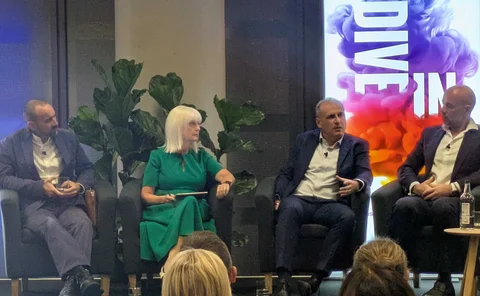
Dive In closes with warning AI poses risk to gender equality
Women need to be entrepreneurial with artificial intelligence and use the technology without fear to ensure progress on gender equality is not reversed, according to AI Governance Limited founding director Sue Turner.
Dive In ends with Lloyd’s promise to widen doors to insurance
Editor’s View: As Dive In comes to an end after 12 years, Emma Ann Hughes reflects on the festival’s legacy and Lloyd’s promise to make the industry more open, accessible and representative.
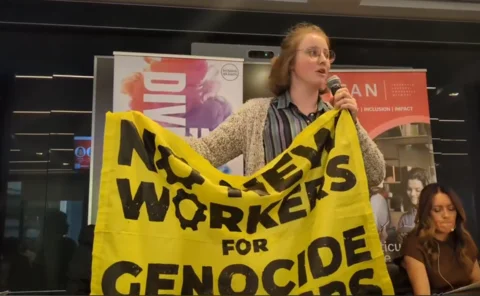
Panellists defend industry as protesters once again ‘gatecrash’ Dive In
Aviva’s AI engagement manager Michael Stone and Aon’s global head of early careers, Claire Hollingsworth, discussed how the industry needs to adapt diversity in insurance, on a Dive In panel that was once again disrupted by protesters.

Empower’s Lydon on how to build your career network
Sam Lydon, managing director of Empower Development, kicked off the final day of Lloyd’s Dive In festival today (24 September) by explaining how to build a network to progress your career in insurance.

Everest’s Bond says support is needed as AI saves employees’ time
Insurance workers need to be provided with clear opportunities as AI saves them time by executing tasks more efficiently, said Everest Insurance’s head of accident and health Lisa Bond.

Swiss Re’s Ladva on the advantages of human-touch AI
Insurers that empower their people to embrace artificial intelligence responsibly will be the ones that realise its full potential, writes Pravina Ladva, group chief digital and technology officer of Swiss Re.

Hiscox’s Wrigglesworth on insurer culture in the age of AI
Ian Wrigglesworth, chief technology officer at Hiscox UK, outlines how artificial intelligence is changing the culture of insurance.

Link’s Cook on why insurers must put people before tech
Maxim Cook, co-chair of Link, the LGBTQ+ Insurance Network, explains why inclusive, people-centred change is the foundation of successful digital transformation.
The next step for neurodiversity in insurance workplaces
Despite growing recognition of neurodiversity's business benefits, Johnny Timpson, Gain founder member, says the insurance industry must do more to ensure neurodivergent employees can thrive without masking their conditions.

Can insurance stay human in an AI world?
Diversity of human thought is essential to ensuring that the artificial intelligence the insurance industry adopts today doesn’t replicate any bias or discrimination from the sector’s past.

Sompo’s Brady on juggling work with caring for his mother
Insurance professionals caring for relatives need flexibility, open communication and permission to step away from work when necessary, Sompo International’s Paul Brady has said.

Aon’s Dando says in-person mentoring is key for AI growth
Recognising the importance of hybrid and in-person work is central to AI innovation as well as being crucial to early careers development said AON’s chief broking officer Steve Dando.

Empowrd AI’s Walters says ‘experimentation’ crucial for insurance
Employees need to embrace “play and experimentation” with AI ahead of mastering the technology to promote growth, said Zoë Walters, founder of Empowrd AI, and leadership psychologist.
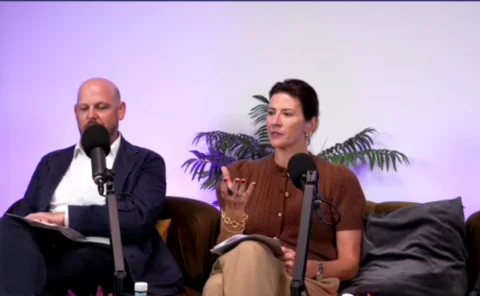
Insurance AI adoption can’t come at cost of critical thinking
Brokers, insurers and customers need to retain their critical thinking skills in the age of artificial intelligence, according to panellists at Dive In’s Distribution is Changing: Will You Lead or Follow? session yesterday (22 September).

Zurich’s Pash on ensuring online service remains empathetic
Richard Pash, chief customer officer of Zurich UK, explains why digital innovation should make insurance more convenient without losing the empathy customers expect in life's most difficult moments.

Is AI decimating the insurance sector’s training ground?
As artificial intelligence removes grunt work, the first of two Dive In special episodes of the Insurance Post Podcast explores whether the technology is destroying the training ground of entry-level roles.
Thinking differently about insurance’s neurodiverse talent
Emma Ann Hughes reveals how insurers are discovering that neurodiverse talent is not simply something to support, but a source of innovation, better judgement and stronger customer outcomes.
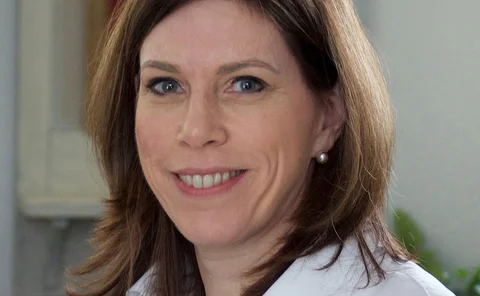
Criterion’s Evans on neurodiversity as a competitive edge in claims
Helena Evans, managing director at Criterion, observes the skills many neurodivergent people bring - from pattern recognition to calm under pressure - make them ideally suited to modern claims handling.
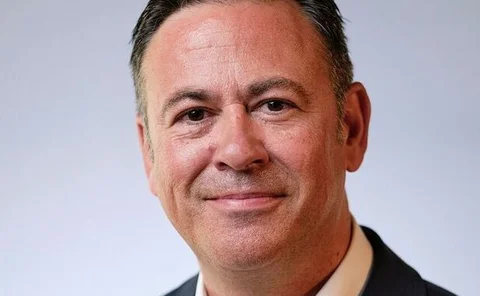
QuestGates’ Laker on designing the future of work
Greg Laker, CEO of QuestGates, argues artificial intelligence should remove routine work, not human judgement, enabling claims professionals to focus on the expertise and empathy that matter most.

Arch’s Reid warns against ‘slip into conformity’ with AI
Insurers need to have the confidence as well as the psychological safety to challenge artificial intelligence and contribute “creative tension”, according to Miriam Reid, head of business solutions at Arch Insurance International.

Dive In’s opening sessions disrupted by protesters
Environmental protesters have disrupted the opening two sessions of Lloyd's final Dive In Festival as they criticise the industry for hypocrisy with AI, fossil fuels, and for arms companies which supply Israel.

Lloyd’s chair claims diversity ‘central’ to Dive In’s replacement
Sir Charles Roxburgh, chair of Lloyd’s, kicked off the final Dive In festival this morning (22 September) by insisting diversity, inclusion and belonging will be “central” to whatever replaces the annual conference.

How dyslexia shapes Markel’s Manders’ thoughts and work
From processing differences to creative problem-solving, Mark Manders, senior business analyst at Markel UK and neurodiversity co-lead for Markel’s Inclusion Network, shares his experience of dyslexia in the workplace.

Link’s Jackson on building inclusion into insurance’s foundations
Alice Jackson, policy and executive engagement lead at Link, the LGBTQ+ Insurance Network, argues the lessons of LGBTQ+ inclusion show why future workplaces must be designed around people, not processes.