

Why AI is creating D&O risks no-one would have imagined
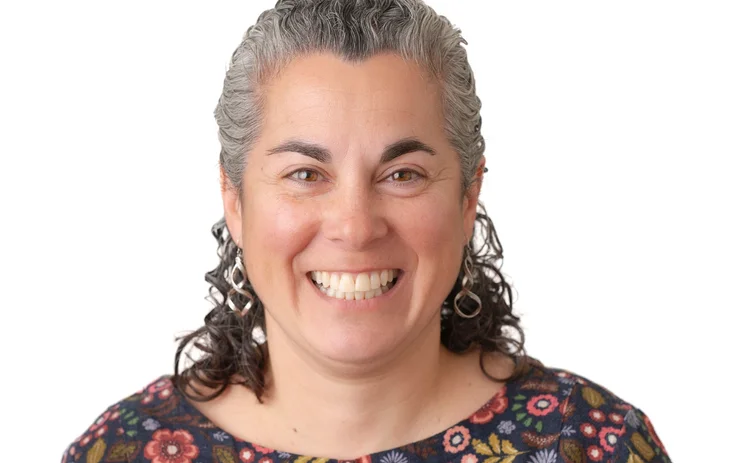
View from the Top: Kate Lyes, head of specialty lines, CFC, questions whether the directors and officers insurance industry is ready for the complexities an AI-driven world will bring.
Artificial intelligence in executive roles sounds, to many, like something lifted from science fiction. It’s instinctive to dismiss this as hype or clever PR. But that view is already out of date.
Gove
Only users who have a paid subscription or are part of a corporate subscription are able to print or copy content.
To access these options, along with all other subscription benefits, please contact info@postonline.co.uk or view our subscription options here: https://subscriptions.postonline.co.uk/subscribe
You are currently unable to print this content. Please contact info@postonline.co.uk to find out more.
You are currently unable to copy this content. Please contact info@postonline.co.uk to find out more.
Copyright Infopro Digital Limited. All rights reserved.
As outlined in our terms and conditions, https://www.infopro-digital.com/terms-and-conditions/subscriptions/ (point 2.4), printing is limited to a single copy.
If you would like to purchase additional rights please email info@postonline.co.uk
Copyright Infopro Digital Limited. All rights reserved.
You may share this content using our article tools. As outlined in our terms and conditions, https://www.infopro-digital.com/terms-and-conditions/subscriptions/ (clause 2.4), an Authorised User may only make one copy of the materials for their own personal use. You must also comply with the restrictions in clause 2.5.
If you would like to purchase additional rights please email info@postonline.co.uk
More on Technology
Guidewire pays £1.2bn for Hyperexponential
Guidewire is set to buy Hyperexponential for $1.7bn (£1.27bn), with $400m (£300.05m) more payable if recurring revenue targets are hit, as it looks to ‘define’ the use of artificial intelligence in underwriting.

CFC’s AI-augmented underwriting cuts costs tenfold
CFC’s first agentic underwriting system has returned tenfold cost savings, according to the specialist insurer.

60 Seconds With… LexisNexis’s Carla McDonald
Carla McDonald, director for product management and claims at LexisNexis Risk Solutions, hates ironing, likes to dance to Tina Turner’s Simply the Best, and can’t live without her family.
Marrow progresses in ChatGPT race amid regulatory concerns
Firms need AI that can deal with regulatory concerns to succeed in the new “agent economy”, according to Marrow’s co-founder and CEO Tim Graham, as the platform completes its pre-seed round.
Artificial’s King encourages AI context-switching workers
Potential increased tokenisation costs will mean human workers who can context-switch with AI and be used at scale will become very important to the industry, says Artificial’s co-CEO David King.
First Central launches agentic AI motor proposition with Microsoft
First Central has launched Motivo, an agentic AI-powered motor insurance proposition, developed with Microsoft.

How can AI fast track insurance claims?
How artificial intelligence is reshaping claims experiences is examined in the latest Insurance Post Podcast, sponsored by RDT.

What will the insurance policy of the future look like?
Examining the role of agentic AI in tomorrow's underwriting process