

Why the insurance industry needs to mind its language
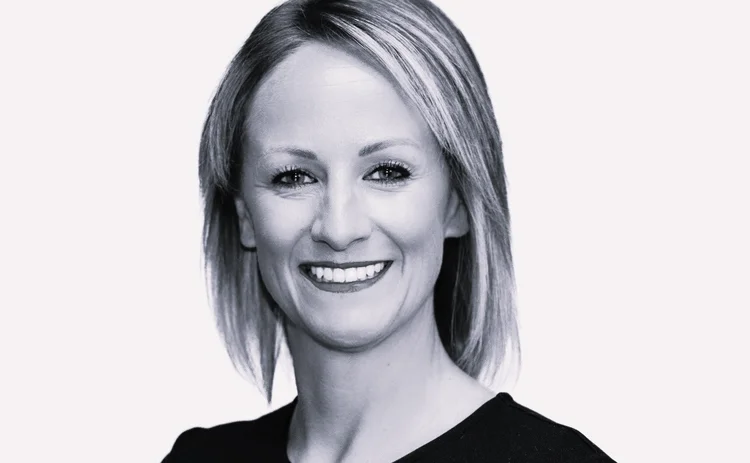
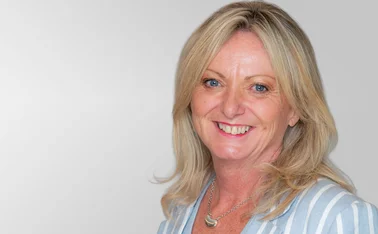
View from the Top: Clare Knight, managing director of Bspoke Underwriting, breaks down why the industry should revaluate the language it uses both internally and in policy wordings.
In recent years, there has been a big focus in the insurance sector on customer outcomes, customer satisfaction, and a general shift in mindset that brings service front and centre of everything we do
Only users who have a paid subscription or are part of a corporate subscription are able to print or copy content.
To access these options, along with all other subscription benefits, please contact info@postonline.co.uk or view our subscription options here: https://subscriptions.postonline.co.uk/subscribe
You are currently unable to print this content. Please contact info@postonline.co.uk to find out more.
You are currently unable to copy this content. Please contact info@postonline.co.uk to find out more.
Copyright Infopro Digital Limited. All rights reserved.
As outlined in our terms and conditions, https://www.infopro-digital.com/terms-and-conditions/subscriptions/ (point 2.4), printing is limited to a single copy.
If you would like to purchase additional rights please email info@postonline.co.uk
Copyright Infopro Digital Limited. All rights reserved.
You may share this content using our article tools. As outlined in our terms and conditions, https://www.infopro-digital.com/terms-and-conditions/subscriptions/ (clause 2.4), an Authorised User may only make one copy of the materials for their own personal use. You must also comply with the restrictions in clause 2.5.
If you would like to purchase additional rights please email info@postonline.co.uk
More on People
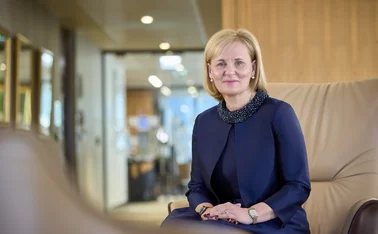
What next for Aviva and insurance’s greatest Dame?
Editor’s View: Emma Ann Hughes considers the remarkable turnaround of Aviva under Dame Amanda Blanc and asks what comes next for the insurer and its formidable group CEO.

Penny Black’s Social Diary: Thomas Carroll’s ‘global’ domination
Penny Black has been out and about again, notebook in one hand and canapé in the other, keeping a keen eye on the insurance industry’s more whimsical moments.
Diary of an Insurer: Zurich Engineering’s Naomi Godwin
Mother of two children and Labradors Naomi Godwin, engineering relationship executive at Zurich Engineering, has a six-hour round trip to Maidstone to visit a panel broker, checks surveyor capacity and considers the operational impact for clients.
Are all the insurance job cuts necessary?
Deputy Editor’s View: After thousands of redundancies have been announced from all corners of the insurance industry, Scott McGee asks if job cuts are necessary.

Why productivity is an asset and should be managed like one
View from the top: David Dexter, head of risk solutions at QBE Europe, argues that lasting productivity depends on protecting workforce resilience, and that organisations must learn to spot the risks eroding it long before absence becomes visible.
CII has successive female presidents for first time in history
The Chartered Insurance Institute has elected Debbie Mitchell as its next president, with Mandy Hunt following on afterwards.

Why we’re putting shared expertise to work in 2027
Trade Voice: Mike Keating, CEO of the Managing General Agents Association, reflects on a year of growth for the MGA sector and sets out why learning, development and practical regulatory engagement will be centre stage in 2027.

60 Seconds With... LexisNexis’s Tom Clarke
Tom Clarke, motor strategy director of LexisNexis Risk Solutions, would live to be fluent in Spanish, hates cleaning the bathroom, and couldn't live without a passport.