
Why the industry’s talent should match its relevance

View from the Top: Vicky Carter, chairman, international capital solutions at Guy Carpenter, argues that insurance has never been more relevant, and its talent should match it.
For many years, our industry has worried about whether talented people wanted to join insurance. That question now feels increasingly out of date.
The ambition should not be for insurance to be a
Only users who have a paid subscription or are part of a corporate subscription are able to print or copy content.
To access these options, along with all other subscription benefits, please contact info@postonline.co.uk or view our subscription options here: https://subscriptions.postonline.co.uk/subscribe
You are currently unable to print this content. Please contact info@postonline.co.uk to find out more.
You are currently unable to copy this content. Please contact info@postonline.co.uk to find out more.
Copyright Infopro Digital Limited. All rights reserved.
As outlined in our terms and conditions, https://www.infopro-digital.com/terms-and-conditions/subscriptions/ (point 2.4), printing is limited to a single copy.
If you would like to purchase additional rights please email info@postonline.co.uk
Copyright Infopro Digital Limited. All rights reserved.
You may share this content using our article tools. As outlined in our terms and conditions, https://www.infopro-digital.com/terms-and-conditions/subscriptions/ (clause 2.4), an Authorised User may only make one copy of the materials for their own personal use. You must also comply with the restrictions in clause 2.5.
If you would like to purchase additional rights please email info@postonline.co.uk
More on People

60 Seconds With… LexisNexis’s Carla McDonald
Carla McDonald, director for product management and claims at LexisNexis Risk Solutions, hates ironing, likes to dance to Tina Turner’s Simply the Best, and can’t live without her family.

Aon Re’s UK CEO Andrew Laing passes away
Andrew Laing, CEO of reinsurance for the UK and chairman of global facultative for Aon, has passed away.

Penny Black’s Social Diary: Thomas Carroll’s ‘global’ domination
Penny Black has been out and about again, notebook in one hand and canapé in the other, keeping a keen eye on the insurance industry’s more whimsical moments.
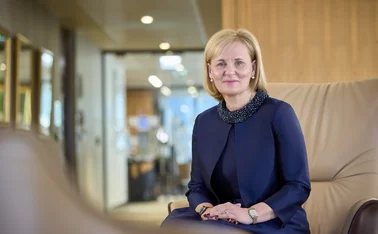
What next for Aviva and insurance’s greatest Dame?
Editor’s View: Emma Ann Hughes considers the remarkable turnaround of Aviva under Dame Amanda Blanc and asks what comes next for the insurer and its formidable group CEO.
Diary of an Insurer: Zurich Engineering’s Naomi Godwin
Mother of two children and Labradors Naomi Godwin, engineering relationship executive at Zurich Engineering, has a six-hour round trip to Maidstone to visit a panel broker, checks surveyor capacity and considers the operational impact for clients.

Are all the insurance job cuts necessary?
Deputy Editor’s View: After thousands of redundancies have been announced from all corners of the insurance industry, Scott McGee asks if job cuts are necessary.

Why productivity is an asset and should be managed like one
View from the top: David Dexter, head of risk solutions at QBE Europe, argues that lasting productivity depends on protecting workforce resilience, and that organisations must learn to spot the risks eroding it long before absence becomes visible.
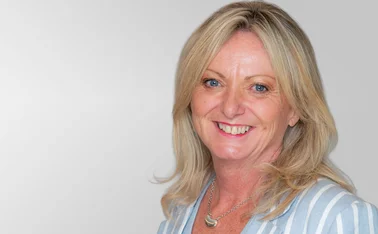
CII has successive female presidents for first time in history
The Chartered Insurance Institute has elected Debbie Mitchell as its next president, with Mandy Hunt following on afterwards.