

Whiplash Bill passes unamended in final reading
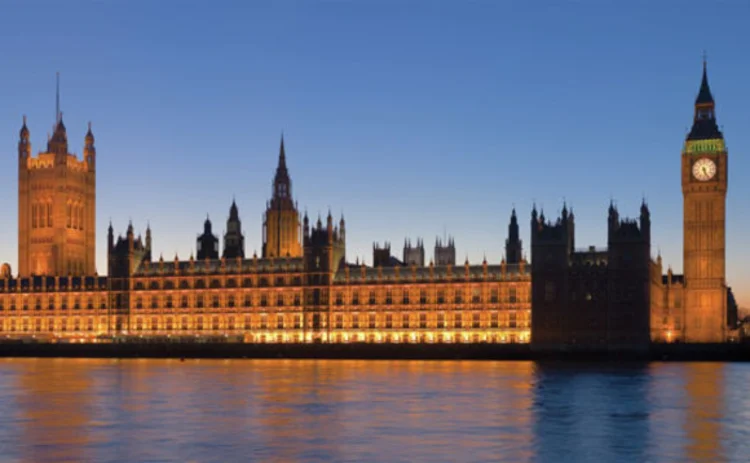

A last minute opposition attempt to amend the proposed whiplash legislation on its third reading in the Commons, was voted down yesterday.
Labour shadow justice ministers had tabled an amendment to limit the proposed raising of the small claims limit in the Civil Liability Bill.
The Bill includes proposals to raise the limit for Road Traffic Accidents from its current level of £1000, to £5000. Labour amendments suggested the limit should be raised to no more than £1500.
However, it was voted down in the final reading on Tuesday, meaning the Bill will receive royal assent in its current form.
An Association of British Insurers spokesperson said: “We are pleased to see the Civil Liability Bill and its associated reforms taking another step forward. It’s needed to fix our broken personal injury compensation system.”
Janet Connor, director of insurance at AA said: “Of note is that secondary legislation will see the small claims track for minor injuries will be raised from £1000 to £5000 for road traffic accident injury claims and to £2,000 or other personal injuries in secondary legislation. This means that legal costs would not usually be awarded for claims below £5,000. This should stop the huge number of cold-call claim firms encouraging people to make claims for injuries they may not even have suffered or for minor aches and pains that ordinarily, they would ignore.”
However, Brett Dixon, president of the Association of Personal Injury Lawyers, said the Bill was purely about the profit margins of insurers.
He said: “[The government] has been utterly determined to make these reforms happen since being seduced by insurance industry rhetoric. Genuinely injured people at either end of the scale have been vilified for the sake of saving a supposed £35 on each premium. Hard-working, genuine motorists whom ministers and insurers claim to represent will find their compulsory insurance cover will not be sufficient when they need it.”
Vidisha Joshi managing partner of Hodge Jones & Allen, said: “I am saddened but not surprised that the government refused to budge on the Civil Liability Bill yesterday, even when it came to protecting children and other vulnerable individuals from the new regime. Claimant lawyers will, however, continue to make the case to protect their clients and access to justice, and with secondary legislation to implement much of the bill still to be agreed, there remains much to play for.
“The government should be aware that we as a firm, and many others, will be watching very closely to see if the proposed online portal for claims will actually deliver the experience minister Rory Stewart said yesterday that it should. If history is anything to go by Ministry of Justice IT projects are not without their issues, as has been seen before with the problems caused by it introducing other systems in personal injury before they were ready. We hope that officials have learned their lesson that rushing implementation to meet an arbitrary deadline does not serve anybody’s interests.”
Only users who have a paid subscription or are part of a corporate subscription are able to print or copy content.
To access these options, along with all other subscription benefits, please contact info@postonline.co.uk or view our subscription options here: https://subscriptions.postonline.co.uk/subscribe
You are currently unable to print this content. Please contact info@postonline.co.uk to find out more.
You are currently unable to copy this content. Please contact info@postonline.co.uk to find out more.
Copyright Infopro Digital Limited. All rights reserved.
As outlined in our terms and conditions, https://www.infopro-digital.com/terms-and-conditions/subscriptions/ (point 2.4), printing is limited to a single copy.
If you would like to purchase additional rights please email info@postonline.co.uk
Copyright Infopro Digital Limited. All rights reserved.
You may share this content using our article tools. As outlined in our terms and conditions, https://www.infopro-digital.com/terms-and-conditions/subscriptions/ (clause 2.4), an Authorised User may only make one copy of the materials for their own personal use. You must also comply with the restrictions in clause 2.5.
If you would like to purchase additional rights please email info@postonline.co.uk
More on Claims

Insurance Post Census exposes employment progress and problems
While insurance may have more women reaching CEO and C-suite roles than ever before, Insurance Post’s 2026 Census exposes how progress is not being experienced evenly across the workforce.

Are insurers ready for autonomous vehicle crashes?
William Balfry, member of the motor sector focus team at the Forum of Insurance Lawyers and senior associate at DWF, examines the increasing rollout of automated passenger services and insurers will soon have to handle claims resulting from collisions.

Policy Expert’s Hardy on pricing home insurance for new risk reality
As extreme weather, rising repair costs and geopolitical instability reshape the risk landscape, Steve Hardy, CEO of Policy Expert, argues the home insurance market must price for long-term resilience rather than chase short-term affordability.
Allianz’s Fletcher on blurred insurance fraud boundaries
Ben Fletcher, director of fraud and financial crime at Allianz, has highlighted the blurring lines between insurance claims fraud and other forms of criminal activity.

Big Interview: Chris Knight, Financial Conduct Authority
The Financial Conduct Authority’s new director of insurance, Chris Knight, speaks exclusively to Insurance Post about premium finance, why enforcement action against firms that fail to comply with the Consumer Duty is looming plus whether the watchdog could soon scrutinise ChatGPT.

UK claims service hits new record high
Six out of eight general insurance business lines showed improvement when it comes to claims service in the second quarter, with only energy and marine declining, the latest data from Gracechurch revealed.

Staff will reject ‘Ask Jeeves’ AI tools if options are limited
Ed Jackson, chief commercial officer at MGA HomeProtect has urged firms not to give staff “the Ask Jeeves equivalent of artificial intelligence” and establish some key principles in how to use the technology from the outset.

How 9/11 still shapes insurance
Editor’s View: On the 25th anniversary of 9/11, Emma Ann Hughes reflects on how the attacks changed terrorism risk, catastrophe modelling and insurance capacity forever and reminds the sector of how it must always help people recover from loss.