
Why cyber must move from policy purchase to proof of resilience
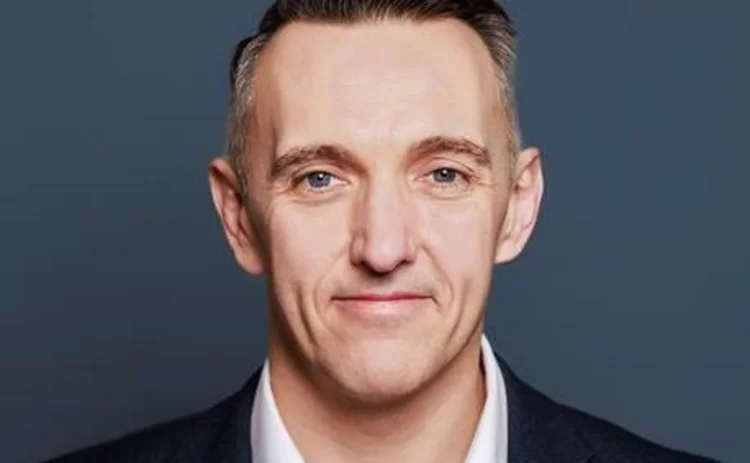
View from the top: Glyn Thoms, global FINEX cyber strategy leader at Willis, argues that cyber insurance must be treated as a core part of organisational resilience rather than be bolted on after the fact.
“If we are already investing heavily in cyber controls, do we really need cyber insurance as well?”
It’s a question I was asked recently, and I suspect it’s one that many cyber insurance professionals
Only users who have a paid subscription or are part of a corporate subscription are able to print or copy content.
To access these options, along with all other subscription benefits, please contact info@postonline.co.uk or view our subscription options here: https://subscriptions.postonline.co.uk/subscribe
You are currently unable to print this content. Please contact info@postonline.co.uk to find out more.
You are currently unable to copy this content. Please contact info@postonline.co.uk to find out more.
Copyright Infopro Digital Limited. All rights reserved.
As outlined in our terms and conditions, https://www.infopro-digital.com/terms-and-conditions/subscriptions/ (point 2.4), printing is limited to a single copy.
If you would like to purchase additional rights please email info@postonline.co.uk
Copyright Infopro Digital Limited. All rights reserved.
You may share this content using our article tools. As outlined in our terms and conditions, https://www.infopro-digital.com/terms-and-conditions/subscriptions/ (clause 2.4), an Authorised User may only make one copy of the materials for their own personal use. You must also comply with the restrictions in clause 2.5.
If you would like to purchase additional rights please email info@postonline.co.uk
More on Technology

Marrow progresses in ChatGPT race amid regulatory concerns
Firms need AI that can deal with regulatory concerns to succeed in the new “agent economy”, according to Marrow’s co-founder and CEO Tim Graham, as the platform completes its pre-seed round.

Artificial’s King encourages AI context-switching workers
Potential increased tokenisation costs will mean human workers who can context-switch with AI and be used at scale will become very important to the industry, says Artificial’s co-CEO David King.

First Central launches agentic AI motor proposition with Microsoft
First Central has launched Motivo, an agentic AI-powered motor insurance proposition, developed with Microsoft.

How can AI fast track insurance claims?
How artificial intelligence is reshaping claims experiences is examined in the latest Insurance Post Podcast, sponsored by RDT.

What will the insurance policy of the future look like?
Examining the role of agentic AI in tomorrow's underwriting process

FCA guidance warns about ‘overreliance’ on AI providers
The Financial Conduct Authority has shared examples of good and poor practice with artificial intelligence as it says there is a risk of “overreliance” on individual AI providers.

One in four insurers are scaling AI to reinvent their business
Insurers are seeing tangible revenue gains from artificial intelligence, but a major gap remains between experimentation and enterprise-wide adoption, according to Accenture research.

Penny Black’s Social Diary: Aviva’s trams and Earnix’s sushi
Penny Black has been out and about again, notebook in one hand and canapé in the other, keeping a keen eye on the insurance industry’s more whimsical moments.