

Covéa’s Vicki Heslop on what the industry should be doing to show it cares about vulnerable customers
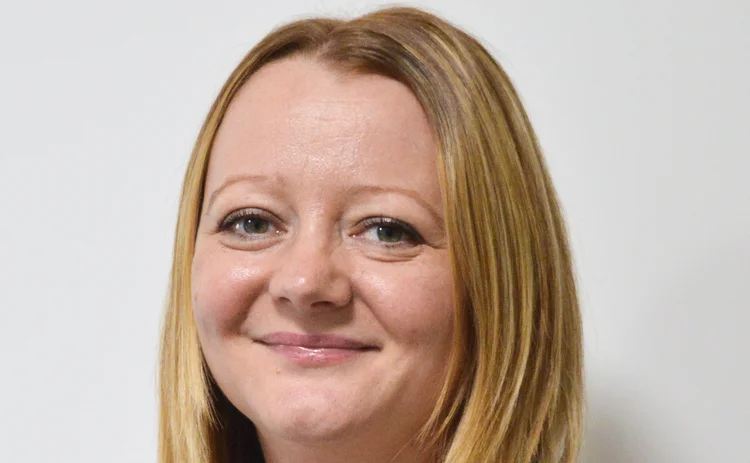

As the cost-of-living crisis takes it toll on consumers, Vicki Heslop, director of customer experience at Covéa Insurance, argues that the insurance industry must be able to signpost how they can help before a crisis point is reached.
These are tough times. While insurance businesses are battling the headwinds of spiralling claims inflation, lower premiums and increasingly sophisticated financial crime, their customers and
Only users who have a paid subscription or are part of a corporate subscription are able to print or copy content.
To access these options, along with all other subscription benefits, please contact info@postonline.co.uk or view our subscription options here: https://subscriptions.postonline.co.uk/subscribe
You are currently unable to print this content. Please contact info@postonline.co.uk to find out more.
You are currently unable to copy this content. Please contact info@postonline.co.uk to find out more.
Copyright Infopro Digital Limited. All rights reserved.
As outlined in our terms and conditions, https://www.infopro-digital.com/terms-and-conditions/subscriptions/ (point 2.4), printing is limited to a single copy.
If you would like to purchase additional rights please email info@postonline.co.uk
Copyright Infopro Digital Limited. All rights reserved.
You may share this content using our article tools. As outlined in our terms and conditions, https://www.infopro-digital.com/terms-and-conditions/subscriptions/ (clause 2.4), an Authorised User may only make one copy of the materials for their own personal use. You must also comply with the restrictions in clause 2.5.
If you would like to purchase additional rights please email info@postonline.co.uk
More on Personal

Motor insurance prices see first annual increase since 2023
Motor insurance prices have risen by 2.7% over the past year, marking the first annual increase since 2023, according to Defaqto.
Admiral covers plug-in solar as one in five consider purchase
Admiral has confirmed its home insurance customers will be covered for plug-in solar panels as standard, after research revealed one in five UK adults are considering buying the technology.

Insurance Museum seeks permanent home as Bank exhibition opens
The Insurance Museum is still searching for a permanent home nearly a decade after plans for a repository first began and as it opens an exhibition at the Bank of England.
Insurance Post’s Top MGAs of 2026 revealed
Policy Expert is the nation’s biggest MGA after achieving record-breaking revenue of more than £200m for UK-based non-life risks in 2025.

ABI alliance targets G20 presidency focus on protection gaps
The Association of British Insurers has joined forces with its Australian, Canadian and New Zealand counterparts in a new alliance that aims to tackle protection gaps and help shape the UK’s G20 presidency.
Axa reduces claims middlemen with repair network
Axa has begun working to reduce the number of people involved in the claims process through the launch of the Building Repair Network.

Insurance fraud hits £1.34bn as criminals pursue higher-value claims
Insurance fraudsters are targeting bigger payouts, with insurers detecting £1.34bn worth of bogus claims in 2025, according to new figures from the Association of British Insurers.

Councillor demands clarification around Admiral job cuts
Swansea’s council leader has written to Admiral UK CEO Alistair Hargreaves demanding clarification around the firm’s 500 job cuts, as thousands of employees are still left in the lurch.