
Is the talent challenge in loss adjusting perception or reality?


Trade Voice: John Bissell, executive director of the Chartered Institute of Loss Adjusters, on why the industry’s talent troubles are not insurmountable.
Concerns about the talent pipeline in loss adjusting are nothing new.
Over recent months, however, the volume of discussion has noticeably increased, at least anecdotally.
Insurers and brokers
Only users who have a paid subscription or are part of a corporate subscription are able to print or copy content.
To access these options, along with all other subscription benefits, please contact info@postonline.co.uk or view our subscription options here: https://subscriptions.postonline.co.uk/subscribe
You are currently unable to print this content. Please contact info@postonline.co.uk to find out more.
You are currently unable to copy this content. Please contact info@postonline.co.uk to find out more.
Copyright Infopro Digital Limited. All rights reserved.
As outlined in our terms and conditions, https://www.infopro-digital.com/terms-and-conditions/subscriptions/ (point 2.4), printing is limited to a single copy.
If you would like to purchase additional rights please email info@postonline.co.uk
Copyright Infopro Digital Limited. All rights reserved.
You may share this content using our article tools. As outlined in our terms and conditions, https://www.infopro-digital.com/terms-and-conditions/subscriptions/ (clause 2.4), an Authorised User may only make one copy of the materials for their own personal use. You must also comply with the restrictions in clause 2.5.
If you would like to purchase additional rights please email info@postonline.co.uk
More on People
Penny Black’s Social Diary: Hiscox and Howden's hole in one
Penny Black has been out and about again, notebook in one hand and canapé in the other, keeping a keen eye on the insurance industry’s more whimsical moments.

Headcount cuts cost insurance its human headspace
Editor’s View: After years of warning about a war for talent, Emma Ann Hughes reckons insurance bosses should think carefully before winning the cost war by replacing some of the people it spent so long trying to attract with artificial intelligence.
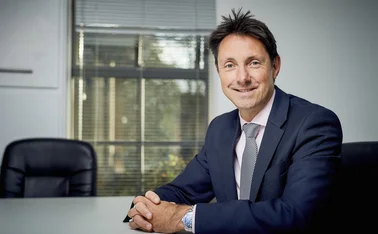
Jensten CEO Organ exits with Buesnel named successor
Rob Organ is to step down as CEO of Jensten Group, with Clive Buesnel appointed as his successor from 2 November 2026, subject to regulatory approval.

How Insurance United Against Dementia continues to grow
Chris Wallace, Insurance United Against Dementia founding board member, reflects on nine years of industry collaboration and outlines IUAD's ambition to raise £20m by 2030.

Beazley confirms redundancies
Unrelated to the Zurich acquisition, Beazley has made a small number of redundancies, Insurance Post can reveal.

Rethinking executive hiring for a more uncertain economy
Paul Mills, founder and CEO of Landscape, argues that the days of the non-executive director are numbered, and that fractional leadership is entering its “electric vehicle moment”.

Big Interview: Hardeep Gulati, Duck Creek
Following Duck Creek’s acquisition of AI-native underwriting platform Send, CEO Hardeep Gulati outlines the efficiency gains he expects from bringing the businesses together and his ambitions to double revenue in the next four to five years.
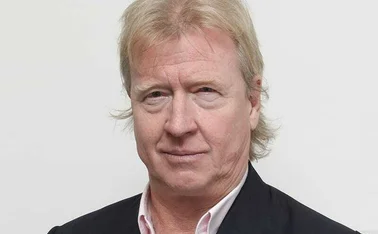
Howden chair steps down as listing edges closer
Howden has revealed that Dominic Collins will step down as executive chairman after 11 years in post.