
Cyber competition must not weaken underwriting discipline
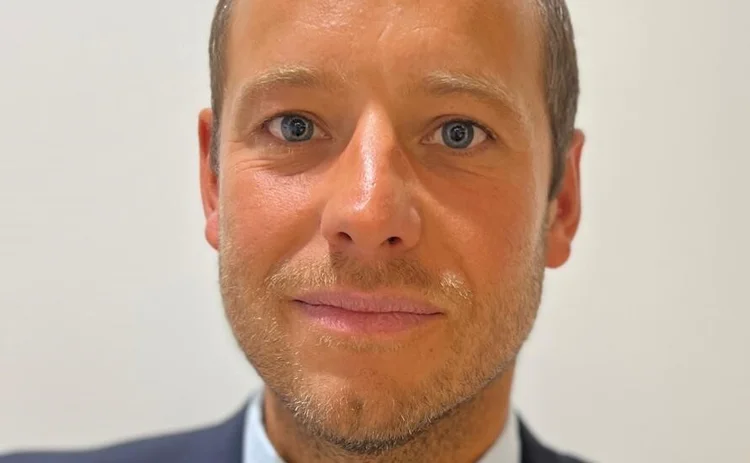
View from the Top: Ian Summerfield, head of cyber at Pen Underwriting, calls for cyber resilience and risk management to stay centre stage as competition hots up.
Cyber insurance is hugely competitive, especially at the SME end. There’s no debating that.
Brokers have a wealth of insurance markets eager to provide the best fit for their clients’ complexity of
Only users who have a paid subscription or are part of a corporate subscription are able to print or copy content.
To access these options, along with all other subscription benefits, please contact info@postonline.co.uk or view our subscription options here: https://subscriptions.postonline.co.uk/subscribe
You are currently unable to print this content. Please contact info@postonline.co.uk to find out more.
You are currently unable to copy this content. Please contact info@postonline.co.uk to find out more.
Copyright Infopro Digital Limited. All rights reserved.
As outlined in our terms and conditions, https://www.infopro-digital.com/terms-and-conditions/subscriptions/ (point 2.4), printing is limited to a single copy.
If you would like to purchase additional rights please email info@postonline.co.uk
Copyright Infopro Digital Limited. All rights reserved.
You may share this content using our article tools. As outlined in our terms and conditions, https://www.infopro-digital.com/terms-and-conditions/subscriptions/ (clause 2.4), an Authorised User may only make one copy of the materials for their own personal use. You must also comply with the restrictions in clause 2.5.
If you would like to purchase additional rights please email info@postonline.co.uk
More on Commercial

Fraudster fails to pull wool over Ifed’s eyes
City of London Police’s Insurance Fraud Enforcement Department is investigating suspected fraudulent insurance claims over the alleged theft of more than 650 sheep.
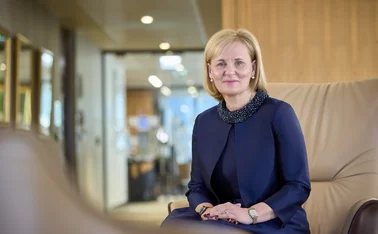
What next for Aviva and insurance’s greatest Dame?
Editor’s View: Emma Ann Hughes considers the remarkable turnaround of Aviva under Dame Amanda Blanc and asks what comes next for the insurer and its formidable group CEO.
Throwback Thursday: Royal retreats from Moscow
Insurance Post’s Throwback Thursday steps back in time to October 1991 to remind you what was going on this week in insurance history when Royal International was reconsidering its plans for a Moscow-based insurance company.

Q&A: Nick Dinsdale, Peach
Nick Dinsdale, underwriting director at Peach, speaks to Insurance Post about the firm’s new hire, AI in underwriting and Peach’s growth plans.

CFC report highlights gap in cyber awareness and understanding
Research from CFC has found that while SMEs are aware of the threat of cyber-attacks, most misunderstand the threats they face and the protection cyber insurance provides.

How AI is redefining the art and science of underwriting
As artificial intelligence adoption expands across underwriting, Marcel Le Gouais examines how a more complete picture is emerging of where automation ends and human judgement remains.

Big Interview: Simon Hunt, HDI
Simon Hunt, CEO of HDI UK and Ireland, reveals how he is looking to grow the corporate and specialty lines insurer by launching a new Lloyd’s syndicate and expanding in areas including energy, cyber and healthcare.

Penny Black’s Social Diary: Aviva’s trams and Earnix’s sushi
Penny Black has been out and about again, notebook in one hand and canapé in the other, keeping a keen eye on the insurance industry’s more whimsical moments.