

What went wrong with Gallagher’s bid to buy PIB Group?


News Editor’s View: Scott McGee unpicks what went wrong with Gallagher’s attempt to buy PIB Group and why a private equity retreat and tighter deal discipline could see fewer broker mega mergers coming to fruition in the near future.
The deal that would seen Gallagher acquiring PIB Group has collapsed.
Last week, PIB updated the market stating it had “made a decision to end recent acquisition conversations” while also announcing a £400m debt raise.
The move came after months of speculation that private equity backers Apax Partners and The Carlyle Group were open to offers for PIB.
Gallagher does not need the PIB business, but an opportunity presented itself. It was not prepared to overspend what it felt was a fair valuation.
The preferred option was reported to be another private equity deal, but when that failed to materialise, the group opened itself up to offers from trade companies and, as first reported by Insurance Post talks between PIB and Gallagher began in April.
It was thought the deal would be confirmed around the British Insurance Brokers’ Association conference in mid-May but that turned out not to be the case.
Given the time taken to confirm, questions started to be asked about why the deal had yet to get over the line.
Sources told Post negotiations around the deal had got a little tougher towards the latter stages, but still expected it to be confirmed in the second half of this year.
But fast forward two more months, to last week, and it was confirmed the deal was no longer on the table.
Why did it break down?
Post understands the deal broke down over a significant valuation gap.
It is believed PIB was looking for in the region of £3.6bn, while Gallagher was not willing to offer much more than £3bn.
One source explained to Post how much of a difference these two prices would have made on Apax and Carlyle’s investment returns.
The source explained the maths: a £3.6bn sale would have doubled Apax’s investment but a £3bn sale would simply return its capital. That risk-reward equation may have convinced Apax to hold on as it hasn’t yet reached the typical PE exit window. While Carlyle has been involved for a decade, Apax only joined in 2021 as majority investor.
As for Gallagher, it does not need the PIB business, but an opportunity presented itself. It was not prepared to overspend what it felt was a fair valuation.
So, it is quite possible both firms simply agreed the price is not right, shook hands and left it at that.
What does it show?
The way this deal both happened and collapsed is potentially an example of what the market dynamics look like now.
First of all, PIB was unable to find a private equity buyer. This simply shows there is not much PE investment being made out there.
Once source said a lot of the private equity firms have withdrawn to the US.
They said it is “very difficult to get refinancing from a private equity business anywhere”.
Another firm potentially seeing that is Jensten Group, with rumours circulating that it is about to announce another investment, following another attempt at finding a sale.
It also shows increased discipline in negotiating from firms when exploring acquisitions.
Sources suggest not too long ago, with capital being freely available, some firms were being bought for way above the multiples it was maybe truly valued at, because it was available.
But now, buyers are being much more careful with due diligence and more strict with valuations, on which they will not budge.
This could mean we see more high-profile deals being reported on but then not happening.
Debt raise
PIB announced its £400m debt raise as an end to the sale negotiations.
Post understands the money is being raised to increase PIB’s presence in territories it is already in, rather than looking at new ones in Europe.
PIB only entered France in October, and has completed a couple of acquisitions there, so it is thought the broker will look to increase it presence there as well as other territories.
But with the debt raise comes pressure. Taking on that amount of debt, PIB has to outrun that debt.
One source said it is going to be tough for them.
They said: “All the debt they’ve got is growing at 12% a year. If PIB can grow Ebitda by more than 12% per year, then fair enough. But doing that organically is going to be a challenge. Buying stuff to outrun that sort of interest is not easy right now.”
One source also suggested PIB might be looking at raising more capital next year, which could well represent its confidence in growth, or it could end up exacerbating the broker’s debt pressures.
Anyhow, last week brought a sensible, if somewhat anti-climactic end to a sale saga.
Only users who have a paid subscription or are part of a corporate subscription are able to print or copy content.
To access these options, along with all other subscription benefits, please contact info@postonline.co.uk or view our subscription options here: https://subscriptions.postonline.co.uk/subscribe
You are currently unable to print this content. Please contact info@postonline.co.uk to find out more.
You are currently unable to copy this content. Please contact info@postonline.co.uk to find out more.
Copyright Infopro Digital Limited. All rights reserved.
As outlined in our terms and conditions, https://www.infopro-digital.com/terms-and-conditions/subscriptions/ (point 2.4), printing is limited to a single copy.
If you would like to purchase additional rights please email info@postonline.co.uk
Copyright Infopro Digital Limited. All rights reserved.
You may share this content using our article tools. As outlined in our terms and conditions, https://www.infopro-digital.com/terms-and-conditions/subscriptions/ (clause 2.4), an Authorised User may only make one copy of the materials for their own personal use. You must also comply with the restrictions in clause 2.5.
If you would like to purchase additional rights please email info@postonline.co.uk
More on Broker
Biba chair calls on insurers to commit to signposting
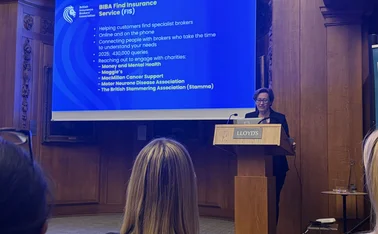
Caroline Barr, chair of the British Insurance Brokers’ Association, has called on insurers to commit to signposting customers to specialist providers when the market fails to meet their needs.

Penny Black’s Social Diary: Hiscox and Howden's hole in one
Penny Black has been out and about again, notebook in one hand and canapé in the other, keeping a keen eye on the insurance industry’s more whimsical moments.
Jensten CEO Organ exits with Buesnel named successor
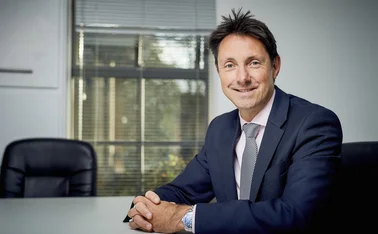
Rob Organ is to step down as CEO of Jensten Group, with Clive Buesnel appointed as his successor from 2 November 2026, subject to regulatory approval.
Howden chair steps down as listing edges closer
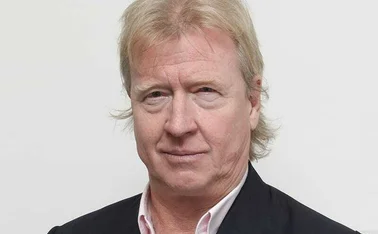
Howden has revealed that Dominic Collins will step down as executive chairman after 11 years in post.
Biba flood scheme pays £9m in claims over first decade
A specialist commercial flood insurance scheme from the British Insurance Brokers’ Association and Mi Specialty has paid more than £9m in claims to businesses over its first decade, with the scheme now covering £600m of assets.
Q&A: James O’Hara, AbbeyAutoline
James O’Hara, a Chartered insurance broker and senior manager at AbbeyAutoline, reveals how he achieved one of the Chartered Insurance Institute’s highest global accolades after topping the performance charts in his Fellowship examinations.

Marsh launches AI-powered broker tool
Marsh has launched Broker WorkBench, an artificial intelligence-powered platform designed to assist Marsh’s brokers operating in the London market in serving their clients.

SRG combines wholesale businesses
Specialist Risk Group has brought its wholesale businesses together under one proposition, SRG Global Risk Solutions.