

Where do we go from here?
James Heath gives an overview of fraud detection today and ponders how it will develop over the next decade
The 'futurologists' tell us that we can make better business decisions by studying consumer trends and reacting in advance.
But it is not always that easy - the futurology industry famously failed to
Only users who have a paid subscription or are part of a corporate subscription are able to print or copy content.
To access these options, along with all other subscription benefits, please contact info@postonline.co.uk or view our subscription options here: https://subscriptions.postonline.co.uk/subscribe
You are currently unable to print this content. Please contact info@postonline.co.uk to find out more.
You are currently unable to copy this content. Please contact info@postonline.co.uk to find out more.
Copyright Infopro Digital Limited. All rights reserved.
As outlined in our terms and conditions, https://www.infopro-digital.com/terms-and-conditions/subscriptions/ (point 2.4), printing is limited to a single copy.
If you would like to purchase additional rights please email info@postonline.co.uk
Copyright Infopro Digital Limited. All rights reserved.
You may share this content using our article tools. As outlined in our terms and conditions, https://www.infopro-digital.com/terms-and-conditions/subscriptions/ (clause 2.4), an Authorised User may only make one copy of the materials for their own personal use. You must also comply with the restrictions in clause 2.5.
If you would like to purchase additional rights please email info@postonline.co.uk
More on Claims

Insurance needs to tap into agentic AI to evolve
Insurers should begin implementing agentic AI to help remove friction along the claims journey to save costs and better serve clients
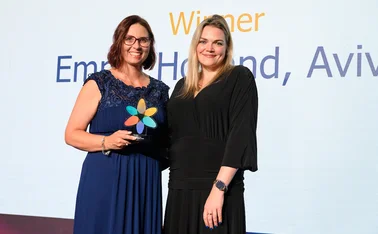
Winners of the Insurance Post Claims and Fraud Awards 2026 revealed
Aviva, Bamboo Connect, DWF Law and DAC Beachcroft were all multiple winners at the Insurance Post Claims and Fraud Awards held last night (1 October) at The Brewery in London.

Court ruling puts focus on D&O risks of board secrecy
The Supreme Court’s Saxon Woods ruling highlights how covert boardroom dissent can translate into personal directors and officers (D&O) insurance exposure, according to Sam Cornelius, lead management liability underwriter at Rrelentless.

Scottish broker awaiting embezzlement trial
The Financial Conduct Authority has secured a bankruptcy order against Arthur Temlett, trading as Abacus Insurance Consultants.

Why claims professionals must show their value in the age of AI
Trade Voice: John Bissell, executive director of Chartered Institute of Loss Adjusters, argues that as artificial intelligence helps policyholders challenge claims decisions, loss adjusters must respond by demonstrating clearer judgement, communication and value.
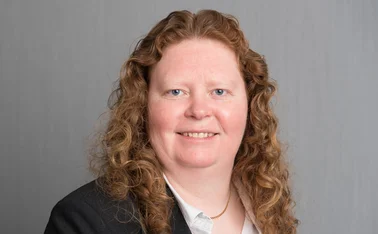
Ex-Intact counter fraud director Sumner launches consultancy
Adele Sumner, former director of counter fraud and financial crime at Intact Insurance, has announced the launch of Sumner Fraud Consulting.
Brokers overwhelmingly favour MGAs with in-house claims teams
Research commissioned by Direct Commercial has found that brokers overwhelmingly favour MGAs with in-house claims teams.
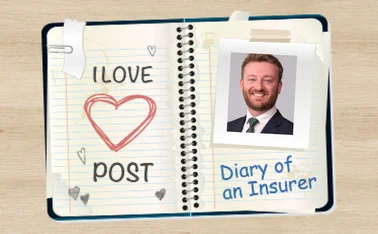
Diary of an Insurer: Charles Taylor’s Scott Spray
Scott Spray, senior loss adjuster at Charles Taylor, has a long-haired dachshund alarm clock, and navigates a sea of tourists who seem to think walking in a straight line is optional to inspect a charming old mansion block.