

Weather - Scientists predict California earthquake for 2004
A group of scientists from the University of California in Los Angeles (UCLA) has provoked controver...
A group of scientists from the University of California in Los Angeles (UCLA) has provoked controversy by predicting that there will be a magnitude 6.4 or higher earthquake in the south of the state
Only users who have a paid subscription or are part of a corporate subscription are able to print or copy content.
To access these options, along with all other subscription benefits, please contact info@postonline.co.uk or view our subscription options here: https://subscriptions.postonline.co.uk/subscribe
You are currently unable to print this content. Please contact info@postonline.co.uk to find out more.
You are currently unable to copy this content. Please contact info@postonline.co.uk to find out more.
Copyright Infopro Digital Limited. All rights reserved.
As outlined in our terms and conditions, https://www.infopro-digital.com/terms-and-conditions/subscriptions/ (point 2.4), printing is limited to a single copy.
If you would like to purchase additional rights please email info@postonline.co.uk
Copyright Infopro Digital Limited. All rights reserved.
You may share this content using our article tools. As outlined in our terms and conditions, https://www.infopro-digital.com/terms-and-conditions/subscriptions/ (clause 2.4), an Authorised User may only make one copy of the materials for their own personal use. You must also comply with the restrictions in clause 2.5.
If you would like to purchase additional rights please email info@postonline.co.uk
More on Lloyd’s/London
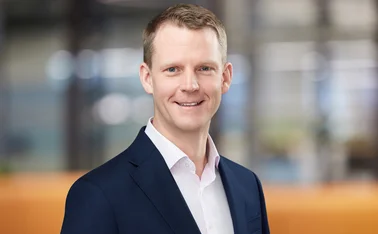
Big Interview: Simon Hunt, HDI
Simon Hunt, CEO of HDI UK and Ireland, reveals how he is looking to grow the corporate and specialty lines insurer by launching a new Lloyd’s syndicate and expanding in areas including energy, cyber and healthcare.
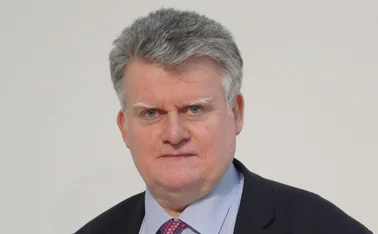
Johnny Timpson warns Dive In closure risks inclusion slipping off agenda
Johnny Timpson has warned the insurance industry must find a new way to keep “belonging” a key focus after Dive In held its final festival last month.

Top 100 UK Insurers 2026: Aviva
Aviva Insurance Limited is ranked number 1 and Aviva International Insurance Limited is ranked number 2 once again on Insurance Post’s Top 100 UK Insurers list.

Top 100 UK Insurers 2026: Convex
Convex UK climbs from the eighth spot on last year’s list to seventh place on Insurance Post’s Top 100 UK Insurers List in 2026.

Answer to the London Market brain-drain lies in embedded AI
As veteran talent exits the London Market and junior staff numbers surge, Jamie McDonnell, London market director at Guidewire, says insurers must use embedded AI to speed up training and bridge the experience gap.

Top 100 UK Insurers 2026: AIG
AIG slips from seventh position last year to eighth place on Insurance Post’s Top 100 UK Insurers List in 2026.

Aviva names GCS MD and CEO for Syndicates
Aviva has appointed Johan Slabbert as managing director of its Global Corporate & Specialty business, as well as CEO of its Syndicates business.

IUAD targets £500K fundraising record with Insurance Day for Dementia
Insurance United Against Dementia is targeting a record £500,000 in fundraising on this year’s Insurance Day for Dementia, with Lloyd’s underwriting floor set to be taken over as part of the campaign.