

Blog: The limitations of ALKS


William Balfry, Forum of Insurance Lawyers motor sector focus team member, and senior associate at DWF, grapples with the reality of automated lane keeping systems technology.
The recent announcement by the Department for Transport regarding a limited form of driverless car being permitted in certain circumstances by the end of 2021 has brought forward an issue that has
Only users who have a paid subscription or are part of a corporate subscription are able to print or copy content.
To access these options, along with all other subscription benefits, please contact info@postonline.co.uk or view our subscription options here: https://subscriptions.postonline.co.uk/subscribe
You are currently unable to print this content. Please contact info@postonline.co.uk to find out more.
You are currently unable to copy this content. Please contact info@postonline.co.uk to find out more.
Copyright Infopro Digital Limited. All rights reserved.
As outlined in our terms and conditions, https://www.infopro-digital.com/terms-and-conditions/subscriptions/ (point 2.4), printing is limited to a single copy.
If you would like to purchase additional rights please email info@postonline.co.uk
Copyright Infopro Digital Limited. All rights reserved.
You may share this content using our article tools. As outlined in our terms and conditions, https://www.infopro-digital.com/terms-and-conditions/subscriptions/ (clause 2.4), an Authorised User may only make one copy of the materials for their own personal use. You must also comply with the restrictions in clause 2.5.
If you would like to purchase additional rights please email info@postonline.co.uk
More on Personal

Big Interview: Steve Hardy, Policy Expert
Steve Hardy, CEO of Policy Expert, explains why the nation’s biggest MGA is prioritising resilience over rapid growth, whether M&A is on the cards and shares his views on the likes of ChatGPT selling insurance.

PayingTooMuch targets 70-strong insurer panel by end of 2027
PayingTooMuch has revealed plans to expand its travel insurance panel to at least 70 insurers by the end of 2027 as the comparison site looks to accelerate growth.

Most trusted insurers across personal lines revealed
Consumer trust in insurance providers has risen for the third consecutive wave, according to Fairer Finance.
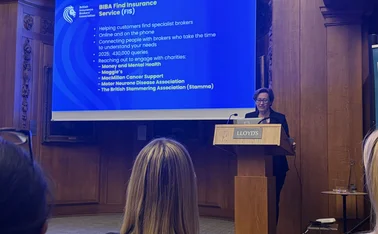
Biba chair calls on insurers to commit to signposting
Caroline Barr, chair of the British Insurance Brokers’ Association, has called on insurers to commit to signposting customers to specialist providers when the market fails to meet their needs.

Headcount cuts cost insurance its human headspace
Editor’s View: After years of warning about a war for talent, Emma Ann Hughes reckons insurance bosses should think carefully before winning the cost war by replacing some of the people it spent so long trying to attract with artificial intelligence.

Motor insurance prices see first annual increase since 2023
Motor insurance prices have risen by 2.7% over the past year, marking the first annual increase since 2023, according to Defaqto.
Admiral covers plug-in solar as one in five consider purchase
Admiral has confirmed its home insurance customers will be covered for plug-in solar panels as standard, after research revealed one in five UK adults are considering buying the technology.

Insurance Museum seeks permanent home as Bank exhibition opens
The Insurance Museum is still searching for a permanent home nearly a decade after plans for a repository first began and as it opens an exhibition at the Bank of England.