

Behind the screens
By 2007, it is estimated that one in three windscreen replacements will require enhanced windscreens. Nigel Doggett explains how the insurance industry could avoid footing the bigger bill this will attract
As the automotive industry advances, so too does the cost of repairs and maintenance to modern cars. Windscreens today are a far cry from the original 'wind-stopping' designs of yesteryear, and the
Only users who have a paid subscription or are part of a corporate subscription are able to print or copy content.
To access these options, along with all other subscription benefits, please contact info@postonline.co.uk or view our subscription options here: https://subscriptions.postonline.co.uk/subscribe
You are currently unable to print this content. Please contact info@postonline.co.uk to find out more.
You are currently unable to copy this content. Please contact info@postonline.co.uk to find out more.
Copyright Infopro Digital Limited. All rights reserved.
As outlined in our terms and conditions, https://www.infopro-digital.com/terms-and-conditions/subscriptions/ (point 2.4), printing is limited to a single copy.
If you would like to purchase additional rights please email info@postonline.co.uk
Copyright Infopro Digital Limited. All rights reserved.
You may share this content using our article tools. As outlined in our terms and conditions, https://www.infopro-digital.com/terms-and-conditions/subscriptions/ (clause 2.4), an Authorised User may only make one copy of the materials for their own personal use. You must also comply with the restrictions in clause 2.5.
If you would like to purchase additional rights please email info@postonline.co.uk
More on Personal

Insurance Post Census exposes employment progress and problems
While insurance may have more women reaching CEO and C-suite roles than ever before, Insurance Post’s 2026 Census exposes how progress is not being experienced evenly across the workforce.

Prince William’s Earthshot finalists target climate risk solutions
Prince William’s Earthshot Prize finalists have been using insurance to help vulnerable communities manage climate risks, offering lessons for UK insurers looking to close the protection gap.

Phoebe Chibuzo Hugh to depart Monzo
Phoebe Chibuzo Hugh has revealed she is leaving Monzo after three years.

Penny Black’s Social Diary: Lockton locks-in with charity sponsorship
Penny Black has been out and about again, notebook in one hand and canapé in the other, keeping a keen eye on the insurance industry’s more whimsical moments.
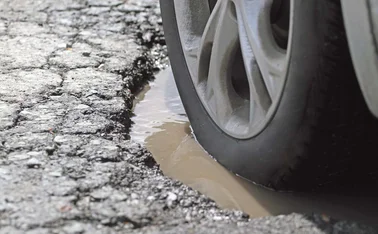
Summer heatwave could cause pothole nightmare for insurers
Insurers could see a higher influx of vehicle damage claims and more complex liability investigations after this summer’s heatwave played havoc with the UK’s roads.
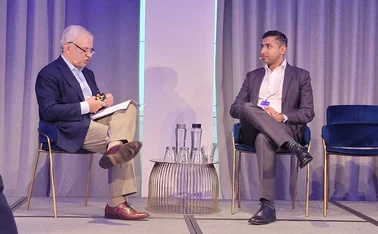
Allianz’s Lalwani on need for collaboration around AI governance
The insurance industry must work together to implement customer-centric artificial intelligence governance, according to Allianz UK’s chief data officer Akhil Lalwani.
Defaqto reveals new rating requirements
Defaqto has unveiled new rating requirements across personal lines in order for companies to retain three stars, under bold plans for 2027.

Are insurers ready for autonomous vehicle crashes?
William Balfry, member of the motor sector focus team at the Forum of Insurance Lawyers and senior associate at DWF, examines the increasing rollout of automated passenger services and insurers will soon have to handle claims resulting from collisions.