
How tech and mobile repair can help with increased complexity
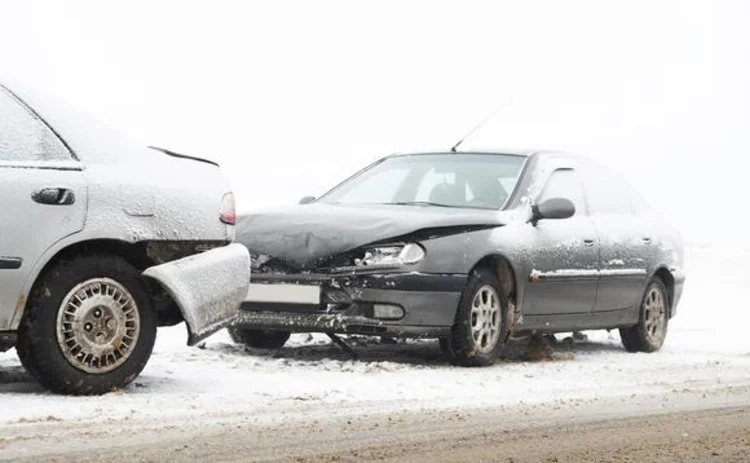
Rob Hawes, CEO of Rapid Repair Network, makes a case for mobile repair networks and the potential benefits it can have for alleviating claims pressures.
Modern cars are safer, smarter and more connected than ever, but that progress comes with an uncomfortable trade-off: when things go wrong, they are harder and more expensive to fix.
For insurers
Only users who have a paid subscription or are part of a corporate subscription are able to print or copy content.
To access these options, along with all other subscription benefits, please contact info@postonline.co.uk or view our subscription options here: https://subscriptions.postonline.co.uk/subscribe
You are currently unable to print this content. Please contact info@postonline.co.uk to find out more.
You are currently unable to copy this content. Please contact info@postonline.co.uk to find out more.
Copyright Infopro Digital Limited. All rights reserved.
As outlined in our terms and conditions, https://www.infopro-digital.com/terms-and-conditions/subscriptions/ (point 2.4), printing is limited to a single copy.
If you would like to purchase additional rights please email info@postonline.co.uk
Copyright Infopro Digital Limited. All rights reserved.
You may share this content using our article tools. As outlined in our terms and conditions, https://www.infopro-digital.com/terms-and-conditions/subscriptions/ (clause 2.4), an Authorised User may only make one copy of the materials for their own personal use. You must also comply with the restrictions in clause 2.5.
If you would like to purchase additional rights please email info@postonline.co.uk
More on Claims

Fraudster fails to pull wool over Ifed’s eyes
City of London Police’s Insurance Fraud Enforcement Department is investigating suspected fraudulent insurance claims over the alleged theft of more than 650 sheep.

Driver distraction raises road safety and insurance concerns
Driver distraction has been highlighted as a growing road safety challenge, with experts warning that tackling the issue will require safer vehicle design, changes in driver behaviour and stronger prevention measures.

How can AI fast track insurance claims?
How artificial intelligence is reshaping claims experiences is examined in the latest Insurance Post Podcast, sponsored by RDT.
Diary of an Insurer: Zurich Engineering’s Naomi Godwin
Mother of two children and Labradors Naomi Godwin, engineering relationship executive at Zurich Engineering, has a six-hour round trip to Maidstone to visit a panel broker, checks surveyor capacity and considers the operational impact for clients.

Lithium-ion batteries: the emerging risk insurers can’t ignore
How the growing use of lithium-ion batteries is increasing the potential for significant fires and complex losses is the focus of the latest Insurance Post podcast.

European product safety risks remain high despite recall decline
European product recalls remained at historically high levels in the first half of 2026, highlighting persistent exposure for manufacturers, suppliers and retailers plus the insurers covering their risks.
Diary of an Insurer: Belfor’s Dominic Toomey
Dominic Toomey, technical manager within the major and complex loss team at Belfor UK, balances complex site inspections, hands-on technical demonstrations and internal system workshops with the ongoing development of people and processes.

Most trusted insurers across personal lines revealed
Consumer trust in insurance providers has risen for the third consecutive wave, according to Fairer Finance.