

Nexus Group's Colin Thompson on the evolution of MGAs


With more than 300 UK-based managing general agents underwriting roughly £5bn - circa 10% of the UK general insurance market - the MGA is already firmly established within the London market providing a key access point to local markets and the ability to penetrate new or emerging markets.
The litmus test for any MGA is its ability to underwrite a profitable book of business and deliver low combined ratios to its risk carriers. Driven by the model combining underwriting expertise
Only users who have a paid subscription or are part of a corporate subscription are able to print or copy content.
To access these options, along with all other subscription benefits, please contact info@postonline.co.uk or view our subscription options here: https://subscriptions.postonline.co.uk/subscribe
You are currently unable to print this content. Please contact info@postonline.co.uk to find out more.
You are currently unable to copy this content. Please contact info@postonline.co.uk to find out more.
Copyright Infopro Digital Limited. All rights reserved.
As outlined in our terms and conditions, https://www.infopro-digital.com/terms-and-conditions/subscriptions/ (point 2.4), printing is limited to a single copy.
If you would like to purchase additional rights please email info@postonline.co.uk
Copyright Infopro Digital Limited. All rights reserved.
You may share this content using our article tools. As outlined in our terms and conditions, https://www.infopro-digital.com/terms-and-conditions/subscriptions/ (clause 2.4), an Authorised User may only make one copy of the materials for their own personal use. You must also comply with the restrictions in clause 2.5.
If you would like to purchase additional rights please email info@postonline.co.uk
More on Broker
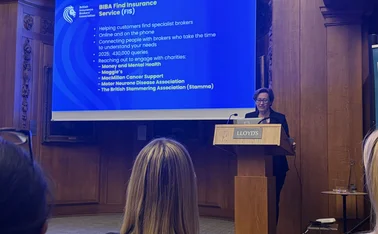
Biba chair calls on insurers to commit to signposting
Caroline Barr, chair of the British Insurance Brokers’ Association, has called on insurers to commit to signposting customers to specialist providers when the market fails to meet their needs.

Penny Black’s Social Diary: Hiscox and Howden's hole in one
Penny Black has been out and about again, notebook in one hand and canapé in the other, keeping a keen eye on the insurance industry’s more whimsical moments.
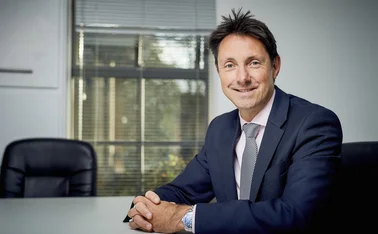
Jensten CEO Organ exits with Buesnel named successor
Rob Organ is to step down as CEO of Jensten Group, with Clive Buesnel appointed as his successor from 2 November 2026, subject to regulatory approval.
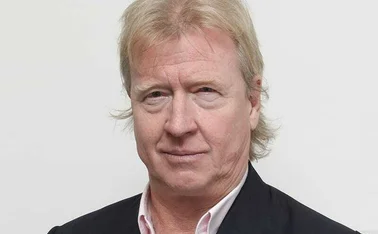
Howden chair steps down as listing edges closer
Howden has revealed that Dominic Collins will step down as executive chairman after 11 years in post.

Biba flood scheme pays £9m in claims over first decade
A specialist commercial flood insurance scheme from the British Insurance Brokers’ Association and Mi Specialty has paid more than £9m in claims to businesses over its first decade, with the scheme now covering £600m of assets.
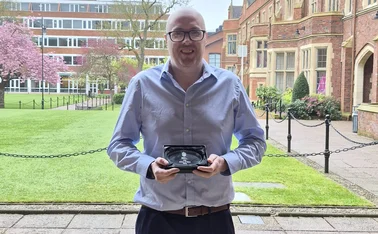
Q&A: James O’Hara, AbbeyAutoline
James O’Hara, a Chartered insurance broker and senior manager at AbbeyAutoline, reveals how he achieved one of the Chartered Insurance Institute’s highest global accolades after topping the performance charts in his Fellowship examinations.

Marsh launches AI-powered broker tool
Marsh has launched Broker WorkBench, an artificial intelligence-powered platform designed to assist Marsh’s brokers operating in the London market in serving their clients.

SRG combines wholesale businesses
Specialist Risk Group has brought its wholesale businesses together under one proposition, SRG Global Risk Solutions.