
Why the industry must start to think and act differently about uninsured driving

Trade Voice: Angus Eaton, CEO of the Motor Insurers’ Bureau, explains how the organisation’s Accelerating to Zero strategy plans to end the scourge of uninsured driving once and for all.
For decades, uninsured driving has been one of the insurance industry’s most persistent challenges. The Motor Insurers’ Bureau was created to support victims of uninsured and hit-and-run drivers, and
Only users who have a paid subscription or are part of a corporate subscription are able to print or copy content.
To access these options, along with all other subscription benefits, please contact info@postonline.co.uk or view our subscription options here: https://subscriptions.postonline.co.uk/subscribe
You are currently unable to print this content. Please contact info@postonline.co.uk to find out more.
You are currently unable to copy this content. Please contact info@postonline.co.uk to find out more.
Copyright Infopro Digital Limited. All rights reserved.
As outlined in our terms and conditions, https://www.infopro-digital.com/terms-and-conditions/subscriptions/ (point 2.4), printing is limited to a single copy.
If you would like to purchase additional rights please email info@postonline.co.uk
Copyright Infopro Digital Limited. All rights reserved.
You may share this content using our article tools. As outlined in our terms and conditions, https://www.infopro-digital.com/terms-and-conditions/subscriptions/ (clause 2.4), an Authorised User may only make one copy of the materials for their own personal use. You must also comply with the restrictions in clause 2.5.
If you would like to purchase additional rights please email info@postonline.co.uk
More on Personal

Slowing premium reduction could signal home insurance U-turn
Competitive home insurance premiums have fallen by 0.4% in September 2026, while they sit 4.4% lower than a year prior, marking the second consecutive period of yearly decline, according to Defaqto.

Howden's pet launch; Brown and Brown's grad programme; Flood Re's chair
Friday Round-Up: Insurance Post wraps up the major insurance deals, launches, investments and strategic moves of the week.

Johnny Timpson warns Dive In closure risks inclusion slipping off agenda
Johnny Timpson has warned the insurance industry must find a new way to keep “belonging” a key focus after Dive In held its final festival last month.
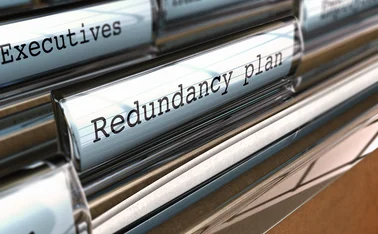
Are all the insurance job cuts necessary?
Deputy Editor’s View: After thousands of redundancies have been announced from all corners of the insurance industry, Scott McGee asks if job cuts are necessary.

Inga Beale urges workplace accessibility for domestic abuse survivors
Dame Inga Beale has urged insurers to help make the workplace more accessible for domestic abuse survivors, arguing that supporting victims would have wider economic and social benefits.
Throwback Thursday: ABI’s amateur dispensation
Insurance Post’s Throwback Thursday steps back in time to October 1991 to remind you what was going on this week in insurance history when the Association of British Insurers was willing to make allowances for add-on cover.

Flood Re chair urges shift from flood risk to resilience
Flood Re’s new chair Simon Green has called for a shift from flood recovery towards resilience and preparedness, as the reinsurance scheme steps up efforts to help households better prepare for flooding.
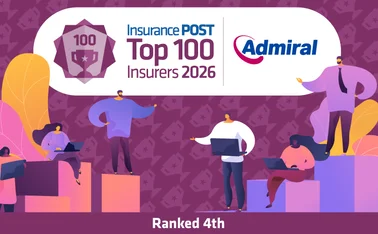
Top 100 UK Insurers 2026: Admiral
Admiral has climbed from fifth position last year to fourth place on this year’s Insurance Post Top 100 UK Insurers list.