
Mass’s Sue Brown on why the whiplash tariff should be reviewed annually


Trade Voice: Sue Brown, chair of the Motor Accident Solicitors Society, says annual reviews need to be introduced at the earliest opportunity to address the perhaps irreparable damage done by the 2018 reforms.
Motorists have had a raw deal in the last three years.
Their motor premiums have shot up – by 40% in the last year alone according to Confused.com – but if they are unfortunate enough to be involved
Only users who have a paid subscription or are part of a corporate subscription are able to print or copy content.
To access these options, along with all other subscription benefits, please contact info@postonline.co.uk or view our subscription options here: https://subscriptions.postonline.co.uk/subscribe
You are currently unable to print this content. Please contact info@postonline.co.uk to find out more.
You are currently unable to copy this content. Please contact info@postonline.co.uk to find out more.
Copyright Infopro Digital Limited. All rights reserved.
As outlined in our terms and conditions, https://www.infopro-digital.com/terms-and-conditions/subscriptions/ (point 2.4), printing is limited to a single copy.
If you would like to purchase additional rights please email info@postonline.co.uk
Copyright Infopro Digital Limited. All rights reserved.
You may share this content using our article tools. As outlined in our terms and conditions, https://www.infopro-digital.com/terms-and-conditions/subscriptions/ (clause 2.4), an Authorised User may only make one copy of the materials for their own personal use. You must also comply with the restrictions in clause 2.5.
If you would like to purchase additional rights please email info@postonline.co.uk
More on Personal

Brit’s launch; Apollo x Generali; Acrisure’s UK retail CEO
Friday Round-Up: Insurance Post wraps up the major insurance deals, launches, investments and strategic moves of the week.

Insurers step up ghost broking crackdown amid daily discovery
The Insurance Fraud Bureau has warned that at least one new ghost broking network is being uncovered every day, with the UK sector now pooling together to tackle the growing issue.

House of Lords criticises the FCA, saying it ‘must go further’
The House of Lords Financial Services Regulation Committee has concluded its findings around the regulation of travel and home insurance policies in the UK, and said the regulator has “more to do” to address customer understanding and outcomes.
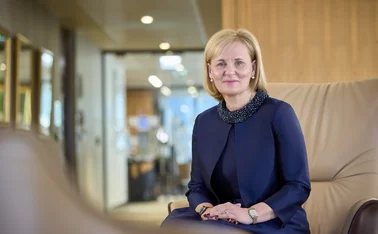
What next for Aviva and insurance’s greatest Dame?
Editor’s View: Emma Ann Hughes considers the remarkable turnaround of Aviva under Dame Amanda Blanc and asks what comes next for the insurer and its formidable group CEO.
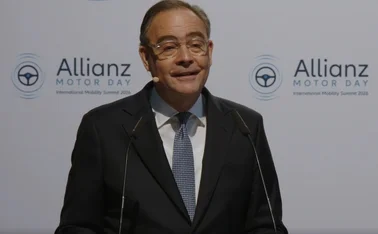
Vehicle design must prioritise function over style
Allianz has said vehicle design must prioritise safety and functionality over style, after reports warned that the more digital vehicles become, the more competition there is for drivers’ attention.

Markerstudy to axe 80 roles in latest simplification drive
Markerstudy is removing approximately 80 roles across the group as part of a business simplification programme and strategic shift, Insurance Post can reveal.
Throwback Thursday: Royal retreats from Moscow
Insurance Post’s Throwback Thursday steps back in time to October 1991 to remind you what was going on this week in insurance history when Royal International was reconsidering its plans for a Moscow-based insurance company.

Driver distraction raises road safety and insurance concerns
Driver distraction has been highlighted as a growing road safety challenge, with experts warning that tackling the issue will require safer vehicle design, changes in driver behaviour and stronger prevention measures.