

Blog: SMEs must reinstate pre-pandemic cover levels or risk being underinsured


Many small businesses are now returning to pre-pandemic activities, but still keeping the reduced levels of cover they had during the Covid-19 lockdown, writes Helen Bryant, director of digital trading at Allianz Commercial, as she warns against the growing threat of underinsurance.
Many SMEs – rightly – decided to reduce their cover during the Covid-19 lockdown, but have failed to reset it since resuming normal work. The trend is very worrying. This exposes them to a great risk
Only users who have a paid subscription or are part of a corporate subscription are able to print or copy content.
To access these options, along with all other subscription benefits, please contact info@postonline.co.uk or view our subscription options here: https://subscriptions.postonline.co.uk/subscribe
You are currently unable to print this content. Please contact info@postonline.co.uk to find out more.
You are currently unable to copy this content. Please contact info@postonline.co.uk to find out more.
Copyright Infopro Digital Limited. All rights reserved.
As outlined in our terms and conditions, https://www.infopro-digital.com/terms-and-conditions/subscriptions/ (point 2.4), printing is limited to a single copy.
If you would like to purchase additional rights please email info@postonline.co.uk
Copyright Infopro Digital Limited. All rights reserved.
You may share this content using our article tools. As outlined in our terms and conditions, https://www.infopro-digital.com/terms-and-conditions/subscriptions/ (clause 2.4), an Authorised User may only make one copy of the materials for their own personal use. You must also comply with the restrictions in clause 2.5.
If you would like to purchase additional rights please email info@postonline.co.uk
More on Commercial

Allianz deal to bring Coalition to 15 markets by mid-2027
Coalition CEO Joshua Motta has told Insurance Post the firm’s partnership with Allianz will take it into 15 countries by the end of June 2027.
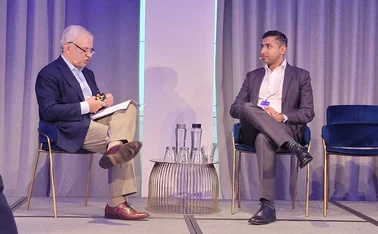
Allianz’s Lalwani on need for collaboration around AI governance
The insurance industry must work together to implement customer-centric artificial intelligence governance, according to Allianz UK’s chief data officer Akhil Lalwani.

Are insurers ready for autonomous vehicle crashes?
William Balfry, member of the motor sector focus team at the Forum of Insurance Lawyers and senior associate at DWF, examines the increasing rollout of automated passenger services and insurers will soon have to handle claims resulting from collisions.

KPMG’s Evans reveals US investors set to snap up UK insurers
US investors are lining up to buy mid and top-tier UK MGAs and brokers in the year ahead, according to Huw Evans, partner and head of insurance at KPMG UK.

Top 30 European insurers of 2026 revealed
Europe’s Top 30 non-life insurers achieved another year of solid top line growth in 2025, although exchange rate changes affected revenue negatively when converted to euros.

Time:To – Axa’s Crane on how to meet regulatory requirements
How artificial intelligence can be used to satisfy the Financial Conduct Authority is outlined by Mike Crane, managing director of Axa Commercial, in the latest Insurance Post Time:To video.

Axa outlines plan to drive organic growth and scale AI
Axa’s new strategic plan focuses on “accelerating customer-driven organic growth at attractive margins, and scaling AI to deepen our competitive moat”.
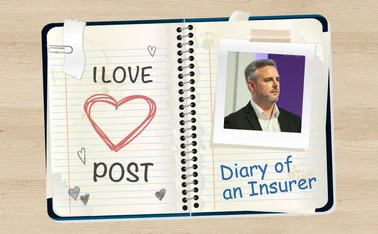
Diary of an Insurer: Zurich’s Paul Green
Paul Green, Zurich UK's multinational hub manager, engages with brokers, leads underwriters, enjoys river walks with his dog and late-night F1 racing sessions.