

View from the top: A hard market is coming
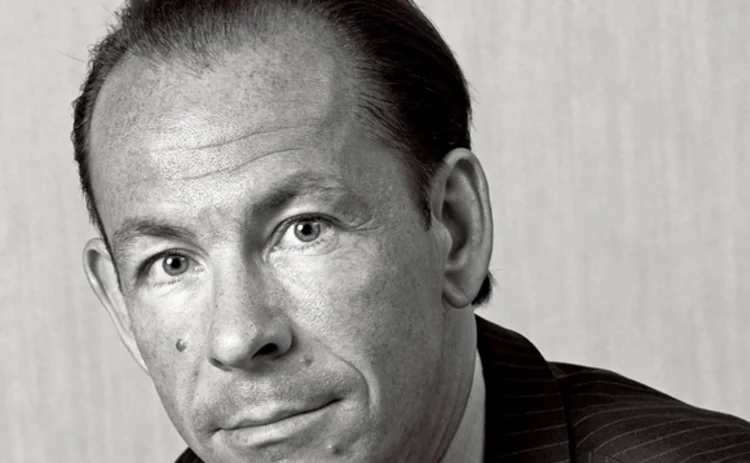
I started talking about positive signs of rate movement more than a month ago. While many agreed, not all of the market's 'big three' brokers shared this view. But a few weeks can effect considerable change and now even Aon's soothsayers will probably agree that a hard market is on its way.
We are, however, experiencing a different type of hardening environment to that seen after 11 September 2001. This time there has been no black swan event. Instead, there is evidence of sustained
Only users who have a paid subscription or are part of a corporate subscription are able to print or copy content.
To access these options, along with all other subscription benefits, please contact info@postonline.co.uk or view our subscription options here: https://subscriptions.postonline.co.uk/subscribe
You are currently unable to print this content. Please contact info@postonline.co.uk to find out more.
You are currently unable to copy this content. Please contact info@postonline.co.uk to find out more.
Copyright Infopro Digital Limited. All rights reserved.
As outlined in our terms and conditions, https://www.infopro-digital.com/terms-and-conditions/subscriptions/ (point 2.4), printing is limited to a single copy.
If you would like to purchase additional rights please email info@postonline.co.uk
Copyright Infopro Digital Limited. All rights reserved.
You may share this content using our article tools. As outlined in our terms and conditions, https://www.infopro-digital.com/terms-and-conditions/subscriptions/ (clause 2.4), an Authorised User may only make one copy of the materials for their own personal use. You must also comply with the restrictions in clause 2.5.
If you would like to purchase additional rights please email info@postonline.co.uk
More on Broker
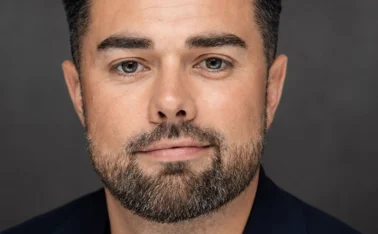
Why the future of broking isn’t just about placing insurance
View from the top: Tom Danson, managing director of corporate and health & employee benefits at Brown & Brown, argues that brokers must move beyond insurance product silos and build their advice around how businesses actually experience risk.
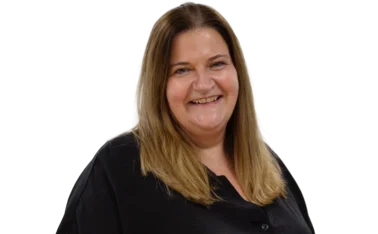
Ghost broking is evolving and so is the IFB's response
Trade Voice: As ghost brokers scale increasingly sophisticated scams, Ursula Jallow, director of the Insurance Fraud Bureau, reveals how the insurance industry is aiming to stay ahead of the threat.

Howden's pet launch; Brown and Brown's grad programme; Flood Re's chair
Friday Round-Up: Insurance Post wraps up the major insurance deals, launches, investments and strategic moves of the week.
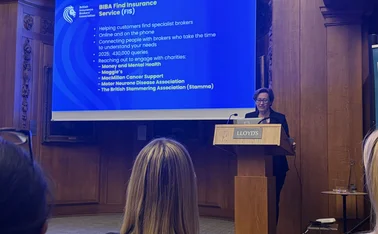
Biba chair calls on insurers to commit to signposting
Caroline Barr, chair of the British Insurance Brokers’ Association, has called on insurers to commit to signposting customers to specialist providers when the market fails to meet their needs.
Penny Black’s Social Diary: Hiscox and Howden's hole in one
Penny Black has been out and about again, notebook in one hand and canapé in the other, keeping a keen eye on the insurance industry’s more whimsical moments.
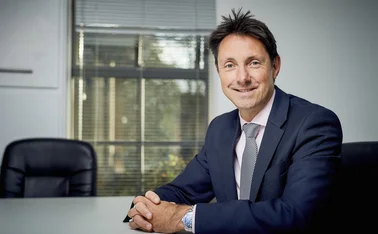
Jensten CEO Organ exits with Buesnel named successor
Rob Organ is to step down as CEO of Jensten Group, with Clive Buesnel appointed as his successor from 2 November 2026, subject to regulatory approval.
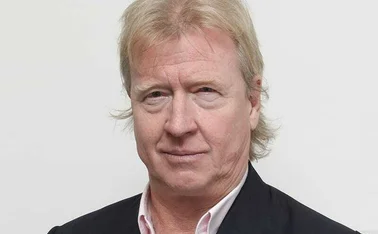
Howden chair steps down as listing edges closer
Howden has revealed that Dominic Collins will step down as executive chairman after 11 years in post.
Biba flood scheme pays £9m in claims over first decade
A specialist commercial flood insurance scheme from the British Insurance Brokers’ Association and Mi Specialty has paid more than £9m in claims to businesses over its first decade, with the scheme now covering £600m of assets.