Editor's comment: A woman's work
In the week we celebrated International Women’s Day, the UK’s intelligence agencies were told by MPs to vary their traditional recruiting of white males and instead recruit middle-aged mothers because they are ‘emotionally intelligent’.
According to the Parliamentary Intelligence and Security Committee, 37% of staff at MI5, MI6 and GCHQ are women, but fewer than one in five of these women hold a senior role. The papers had a field day highlighting the recommendation that the agencies should recruit from the likes of Mumsnet but is this idea so far-fetched?
On a daily basis, us mothers sift through a world of misinformation, exaggeration and stories based loosely on fact from our adorable little ones. We know even the sweetest most innocent of candidates can be skilled opponents and we are prepared to do battle at the drop of a hat (or more likely a piece of cutlery or, even worse, food). We are natural observers and researchers – after all we have eyes in the back of our heads.
In addition we have an amazing level of patience as testified by what can seem like hours of endless ‘why’ questions and, of course, Cbeebies. We’d also be great for surveillance, as most of us survive on very little sleep no matter the age of our darling sons and daughters.
The good news is that insurance has already cottoned onto this, as in the past few years female appointments have increased – Inga Beale, as the first female CEO of Lloyd’s of London, Jacqueline McNamee as AIG UK’s first female managing director, and Barbara Merry as chair of the Independent Women in Insurance Network.
These women are positive role models for women in what is still a white, male-dominated industry but this is far from a widespread trend. According to our latest Insurance Census, although 51% of general insurance employees are female, only 19% of board members are women. This has improved since our last census, which saw a figure of 15.5%, but is still lower than FTSE 100 board positions (22.8%).
Our research shows the sector does not struggle to attract women in the first place but that not enough make it to senior positions and a pay gap remains between men and women. No one wants to see a quota system but the industry needs to understand the barriers to progression that women face and work out how firms can change to help female staff reach their full potential, so insurers can attract and retain the best possible range of talent.
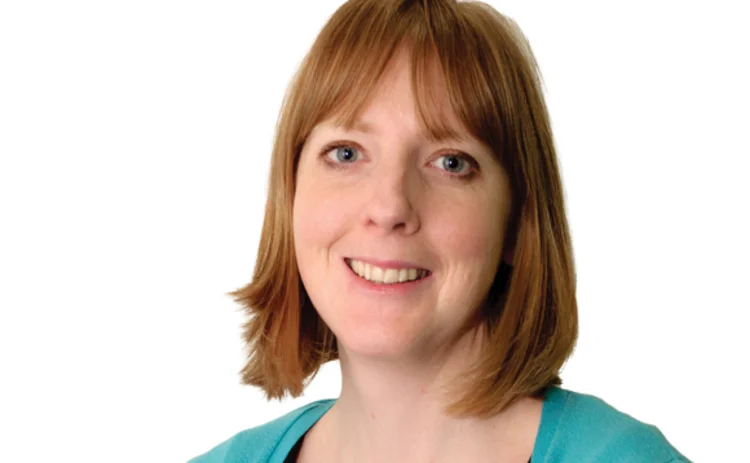
Stephanie Denton, editor
This article was published in the 12 March edition of Post magazine.
Only users who have a paid subscription or are part of a corporate subscription are able to print or copy content.
To access these options, along with all other subscription benefits, please contact info@postonline.co.uk or view our subscription options here: https://subscriptions.postonline.co.uk/subscribe
You are currently unable to print this content. Please contact info@postonline.co.uk to find out more.
You are currently unable to copy this content. Please contact info@postonline.co.uk to find out more.
Copyright Infopro Digital Limited. All rights reserved.
As outlined in our terms and conditions, https://www.infopro-digital.com/terms-and-conditions/subscriptions/ (point 2.4), printing is limited to a single copy.
If you would like to purchase additional rights please email info@postonline.co.uk
Copyright Infopro Digital Limited. All rights reserved.
You may share this content using our article tools. As outlined in our terms and conditions, https://www.infopro-digital.com/terms-and-conditions/subscriptions/ (clause 2.4), an Authorised User may only make one copy of the materials for their own personal use. You must also comply with the restrictions in clause 2.5.
If you would like to purchase additional rights please email info@postonline.co.uk