

European risk managers join chorus of concern over Solvency II
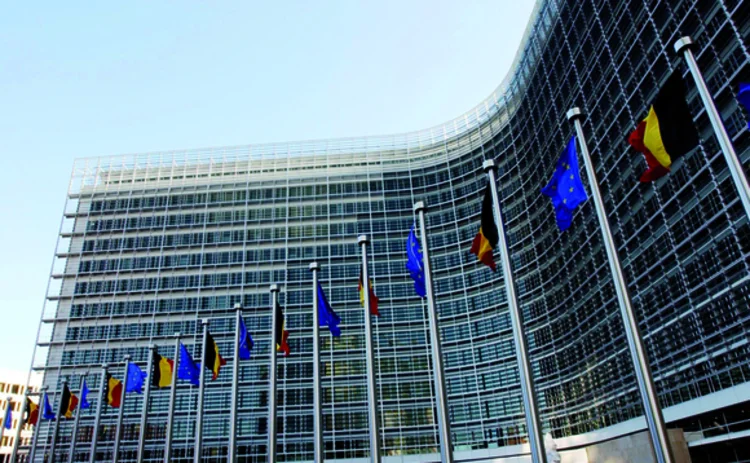

The Federation of Europe Risk Management Associations today said that although it supports the goal of Solvency II, its members are concerned by the impact the recommendations of the Committee of European Insurance and Occupational Pensions Supervisors will have on the insurance market.
"The main goal of Solvency II is to protect policyholders' interests" says Peter den Dekker, president of Ferma. "And we represent the largest policyholders in Europe. We have serious concerns that
Only users who have a paid subscription or are part of a corporate subscription are able to print or copy content.
To access these options, along with all other subscription benefits, please contact info@postonline.co.uk or view our subscription options here: https://subscriptions.postonline.co.uk/subscribe
You are currently unable to print this content. Please contact info@postonline.co.uk to find out more.
You are currently unable to copy this content. Please contact info@postonline.co.uk to find out more.
Copyright Infopro Digital Limited. All rights reserved.
As outlined in our terms and conditions, https://www.infopro-digital.com/terms-and-conditions/subscriptions/ (point 2.4), printing is limited to a single copy.
If you would like to purchase additional rights please email info@postonline.co.uk
Copyright Infopro Digital Limited. All rights reserved.
You may share this content using our article tools. As outlined in our terms and conditions, https://www.infopro-digital.com/terms-and-conditions/subscriptions/ (clause 2.4), an Authorised User may only make one copy of the materials for their own personal use. You must also comply with the restrictions in clause 2.5.
If you would like to purchase additional rights please email info@postonline.co.uk
More on Regulation

Peers told FCA is not up to standard
The Financial Conduct Authority is falling short of the standard needed to effectively enforce Consumer Duty, consumer advocates told peers yesterday (17 June).

Like the World Cup, PRA says captives are ‘coming home’
As England fans look forward to the kick-off of the World Cup campaign, the Prudential Regulation Authority has stated its own ambition to bring captives home.

Markerstudy and Policy Expert criticised for premium finance APRs
Which? has criticised motor insurers, including Policy Expert and Markerstudy-owned brands, for continuing to charge close to 30% annual premium rate to customers who pay for their car insurance monthly.

Throwback Thursday: Major insurer’s EU fears
Insurance Post’s Throwback Thursday steps back in time to June 1971 to remind you what was going on this week in insurance history when the chair of General Accident raised concerns about European Union red tape.

Supporting domestic abuse victims in insurance
What brokers and insurance providers can do to support customers who are experiencing domestic abuse is the focus of the latest Insurance Post Podcast.

Fair value rules still fail brokers and consumers alike
Four-and-a-half years after the Financial Conduct Authority’s fair value rules arrived, Branko Bjelobaba, principal of compliance consultancy Branko Ltd, argues inconsistent data and vague metrics still make it difficult for brokers and consumers to compare insurance products properly.

Pride exposes prejudice LGBTQ+ individuals face in insurance
Editor’s View: LGBTQ+ network Link’s latest survey shows many insurance professionals still feel pressure to hide parts of themselves at work, which Emma Ann Hughes argues highlights the need for insurers to move beyond Pride branding and ‘pinkwashing’ to build actually inclusive cultures.

Why the Financial Services and Markets Bill is a chance to reset regulation
Trade Voice: David Otudeko, director of regulation at the Association of British Insurers, breaks down why the government's new financial services bill is a chance to refresh the map of regulation.