

HBOS to roll out Digilog fraud system for household claims
HBOS General Insurance this week confirmed plans to roll out the use of voice risk analysis (VRA) software on its home insurance claims.
The company said the software from Digilog, which can help identify potentially false or exaggerated claims, had been successfully tested in a pilot — held at the end of last year — and is expectedOnly users who have a paid subscription or are part of a corporate subscription are able to print or copy content.
To access these options, along with all other subscription benefits, please contact info@postonline.co.uk or view our subscription options here: https://subscriptions.postonline.co.uk/subscribe
You are currently unable to print this content. Please contact info@postonline.co.uk to find out more.
You are currently unable to copy this content. Please contact info@postonline.co.uk to find out more.
Copyright Infopro Digital Limited. All rights reserved.
As outlined in our terms and conditions, https://www.infopro-digital.com/terms-and-conditions/subscriptions/ (point 2.4), printing is limited to a single copy.
If you would like to purchase additional rights please email info@postonline.co.uk
Copyright Infopro Digital Limited. All rights reserved.
You may share this content using our article tools. As outlined in our terms and conditions, https://www.infopro-digital.com/terms-and-conditions/subscriptions/ (clause 2.4), an Authorised User may only make one copy of the materials for their own personal use. You must also comply with the restrictions in clause 2.5.
If you would like to purchase additional rights please email info@postonline.co.uk
More on Personal

Peers told FCA is not up to standard
The Financial Conduct Authority is falling short of the standard needed to effectively enforce Consumer Duty, consumer advocates told peers yesterday (17 June).

Ageas motor head unconvinced telematics improves behaviour
Senior motor underwriting bosses disagreed about the amount of impact telematics has on driver behaviour at Insurance Post’s Underwriting Club.

Markerstudy motor boss warns on ‘essentials’ product over-saturation
The essentials market on price comparison websites has become over-saturated, creating a need for greater guidance as to what should or should not be included in these stripped down policies.

Insurance challenge of travelling for treatment
The growing trend of medical and cosmetic tourism, and the challenge it presents for travel insurers, is the focus of the latest Insurance Post Podcast.

Travel insurers chart a course through Hormuz disruption
As the US and Israel's war with Iran plus the closure of the Strait of Hormuz enters its fourth month, Scott McGee looks at what impact it has had, if any, on the UK travel insurance market to-date.

Markerstudy and Policy Expert criticised for premium finance APRs
Which? has criticised motor insurers, including Policy Expert and Markerstudy-owned brands, for continuing to charge close to 30% annual premium rate to customers who pay for their car insurance monthly.
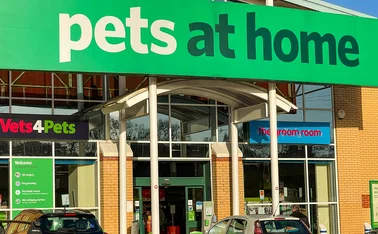
Pets at Home insurance product to go live on 2 July
After Insurance Post reported last year that retail giant Pets at Home was working on an insurance product, the business confirmed it will launch on 2 July.

Intact’s Scaife unpicks software liability in motor claims
Motor insurers are not yet ready to tackle the complex liability and recovery challenges posed by connected and autonomous vehicles, according to Jess Scaife, director of technical motor and injury claims at Intact Insurance.