

First named storm of 2010 Pacific hurricane season hits central America
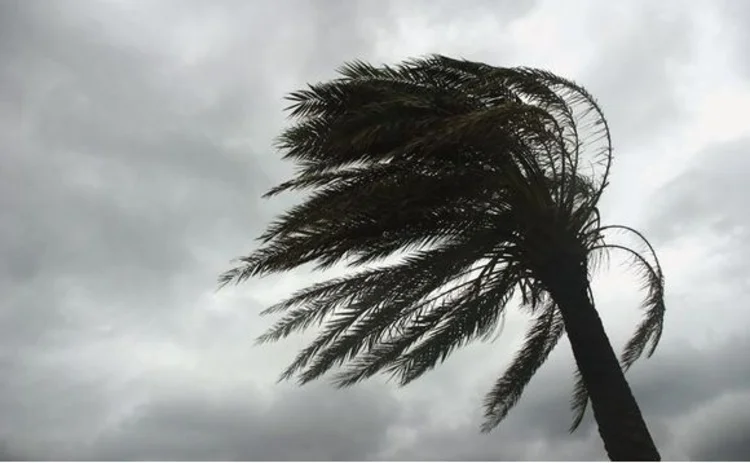
Agatha, the first named storm of the 2010 East Pacific hurricane season was declared on Saturday, located just off the Guatemala coast before making landfall as a tropical storm along the border of Mexico and Guatemala at 22:40 UTC on Saturday.
According to modeling company RMS, Agatha was associated with torrential rainfall which triggered flash flooding and landslides to Guatemala, El Salvador, Honduras and southern Mexico as it tracked
Only users who have a paid subscription or are part of a corporate subscription are able to print or copy content.
To access these options, along with all other subscription benefits, please contact info@postonline.co.uk or view our subscription options here: https://subscriptions.postonline.co.uk/subscribe
You are currently unable to print this content. Please contact info@postonline.co.uk to find out more.
You are currently unable to copy this content. Please contact info@postonline.co.uk to find out more.
Copyright Infopro Digital Limited. All rights reserved.
As outlined in our terms and conditions, https://www.infopro-digital.com/terms-and-conditions/subscriptions/ (point 2.4), printing is limited to a single copy.
If you would like to purchase additional rights please email info@postonline.co.uk
Copyright Infopro Digital Limited. All rights reserved.
You may share this content using our article tools. As outlined in our terms and conditions, https://www.infopro-digital.com/terms-and-conditions/subscriptions/ (clause 2.4), an Authorised User may only make one copy of the materials for their own personal use. You must also comply with the restrictions in clause 2.5.
If you would like to purchase additional rights please email info@postonline.co.uk
More on Reinsurance

Big Interview: Anne Middleton, Convex UK
Anne Middleton, Convex’s UK CEO, talks to Insurance Post about continuity through a change of chair, why market share matters more than premium, and staying disciplined as the market softens.

Why the real AI advantage in insurance lies beyond the model
View from the top: Ben Rose, CEO of Supercede, argues that as artificial intelligence models become commoditised, the advantage for the industry will come from the context and infrastructure surrounding them.

Why Flood Re must change before it becomes unfit for purpose
Trade Voice: Perry Thomas, CEO of Flood Re, explains why the flood insurance market is on the cusp of change, and why fairness and resilience must remain centre stage.

Diary of an Insurer: Swiss Re’s Leo Dixon
From winter storm-driven flight delays, to early morning sea-air walks in Poole and artificial intelligence-driven Claims Reimagination sessions, Leo Dixon, global head of claims for property and casualty reinsurance at Swiss Re, shares why there’s no such thing as a typical week in claims.

Regulators target four-week captive approvals
The Prudential Regulation Authority and the Financial Conduct Authority have launched a consultation on a new framework for captive insurance, eyeing a summer 2027 launch date.

Big Interview: Tom Clementi, Pool Re
Tom Clementi, CEO of Pool Re, speaks to Insurance Post regarding his efforts to modernise the government-backed reinsurer, how terror risk has evolved, and where the firm sits on cyber.
Pool Re launches terror resilience assessment tool
Terrorism reinsurer Pool Re has launched a tool aimed at helping policyholders assess and manage terrorism risk across property portfolios.

Swiss Re chief stresses resilience and strong foundations
Swiss Re group chief executive officer Andreas Berger has encouraged insurers to strengthen their foundations in order to help customers navigate growing geopolitical and economic uncertainty.